This confrontation has much broader consequences than those faced by Huawei by not being able to use Google Mobile Services, and the technology that the technology companies of one or another country is constantly questioned and analyzed with a magnifying glass.
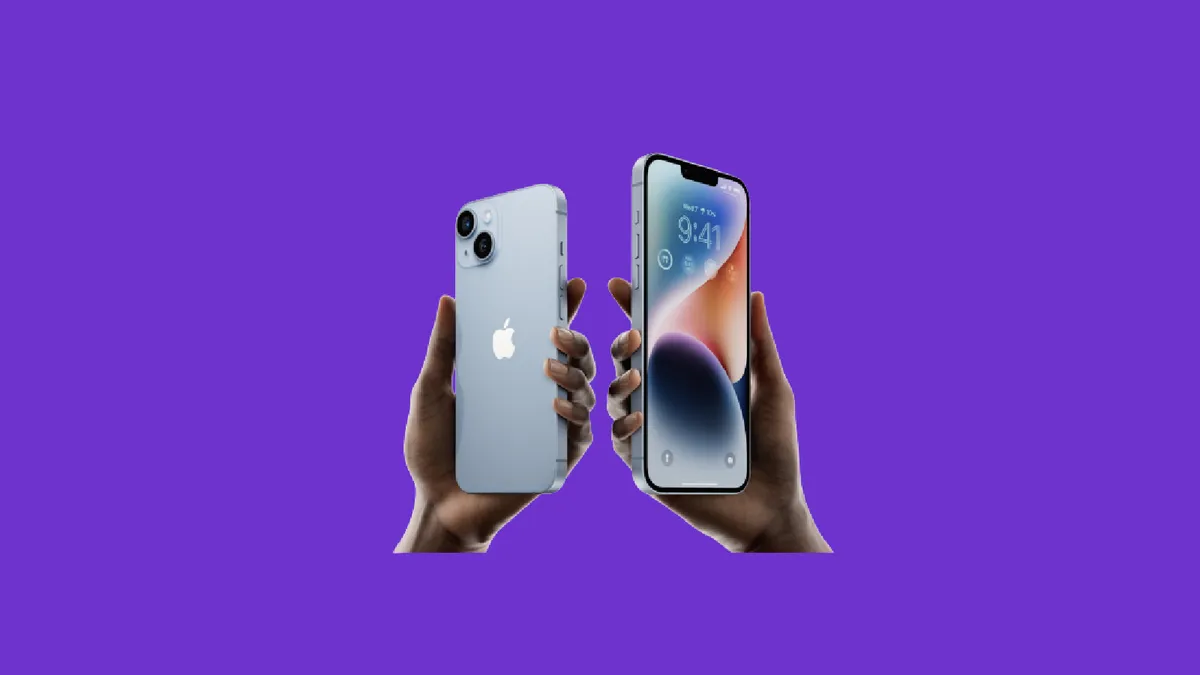
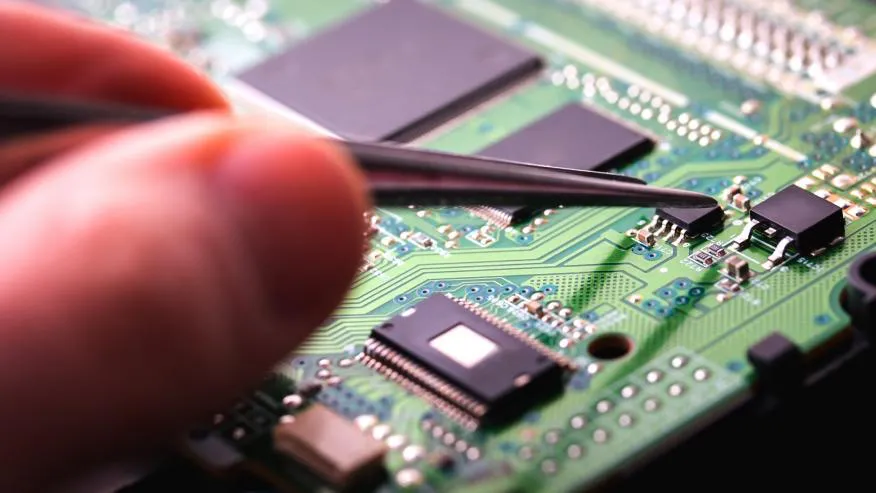
In this context, Apple set off all the alarms a few months ago when it became known that it was studying working with new processor suppliers and, specifically, that it is in contact with Yangtze Memory Technologies (YMTC), a Chinese semiconductor company based in Hubei, from which it is testing samples of its flash memory chips with NAND technology.
The reaction now comes from 2 United States senators - Democrat Mark Warner and Republican Marco Rubio -, who have sent a letter to the director of intelligence of the United States , Avril Haines, in which they ask that the potential agreement be analyzed of Apple with the Chinese company, as reported by the Financial Times .
In this letter, US politicians detail several reasons why an agreement between Apple and YMTC for iPhone processors could be a risk for the US company.
YMTC is attributed ties to the Communist Party of China
The most important charge US senators have leveled at the intelligence director is that YMTC has "extensive, if often opaque, ties to the Communist Party of China ."
Lawmakers fear that the use of the Asian company's technology in the chips used in Apple devices could lead to " significant privacy and security vulnerabilities " if Chinese authorities access confidential information from users in the North American country.
Ultimately, security and privacy concerns could lead the United States to make a decision similar to the veto of Huawei with YMTC, which was barred from doing business with American companies due to potential national security risks.
Could negatively affect the perception of security of the Apple ecosystem
One of the biggest claims of Apple products in recent years is the privacy offered by its products and services compared to that of competitors in the Android or Windows ecosystems.
This promise of security is sustained thanks to the functions that it has been incorporating into its operating systems, such as iOS, among which the blocking of advertising tracking of third-party applications stands out , which has severely affected companies based on advertisements such as Google, Goal and Snap .
Using components from a company that is being questioned for its links to the Communist Party of China and that US institutions are still assessing if it poses a threat could be a risk to this image of Apple's privacy .
YMTC has worked with Huawei before
Another detail that the 2 senators see as a problem with the entry of the Chinese company as a supplier to Apple is that YMTC has previously worked for Huawei , a company that has been banned since 2019 by the United States.
The Chinese semiconductor manufacturer has provided components to Huawei for 2 of its smartphones , including its most recent model with a flexible screen, Mate Xs 2 , which the Chinese brand sells in Spain for a price that starts at 1,999 euros.
One of the points that Rubio and Warner have asked to analyze is precisely whether YMTC has helped Huawei to evade the trade sanctions imposed by the United States as part of the veto that has been in force since 2019.
They accuse YMTC of using US technology and warn of the effects on the global supply chain
The accusations of the 2 senators against YMTC are not only focused on security but seek to protect the leadership of the United States and its allied countries in the global semiconductor industry .
The United States believes that Chinese processor companies are using technology proprietary to them. Until now, it had allowed Chinese manufacturers to use its technology as long as it was less powerful and advanced versions of previous generations.
The US Department of Commerce is currently preparing several measures to make it more difficult to export different technologies related to processors to China in order to limit its industry, as reported by FT .
This would jeopardize a potential agreement with Apple because YMTC would not be able to access part of the technologies it currently uses and that are of interest to the US manufacturer, although it is not yet known whether NAND memories would be affected.