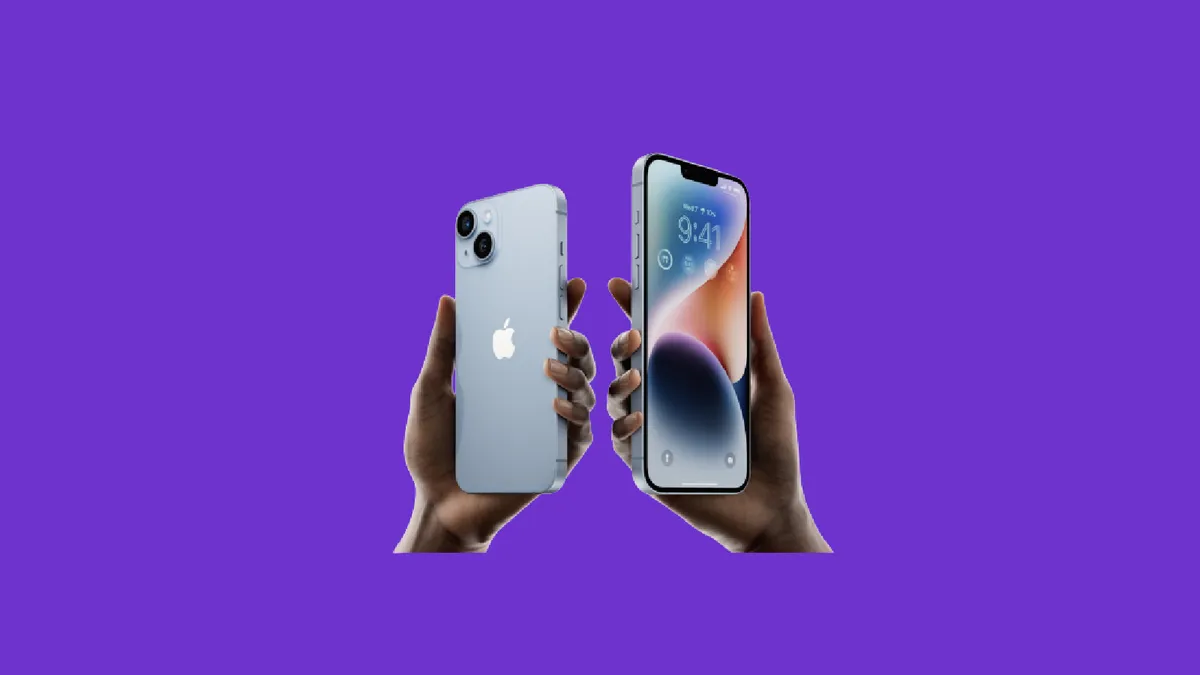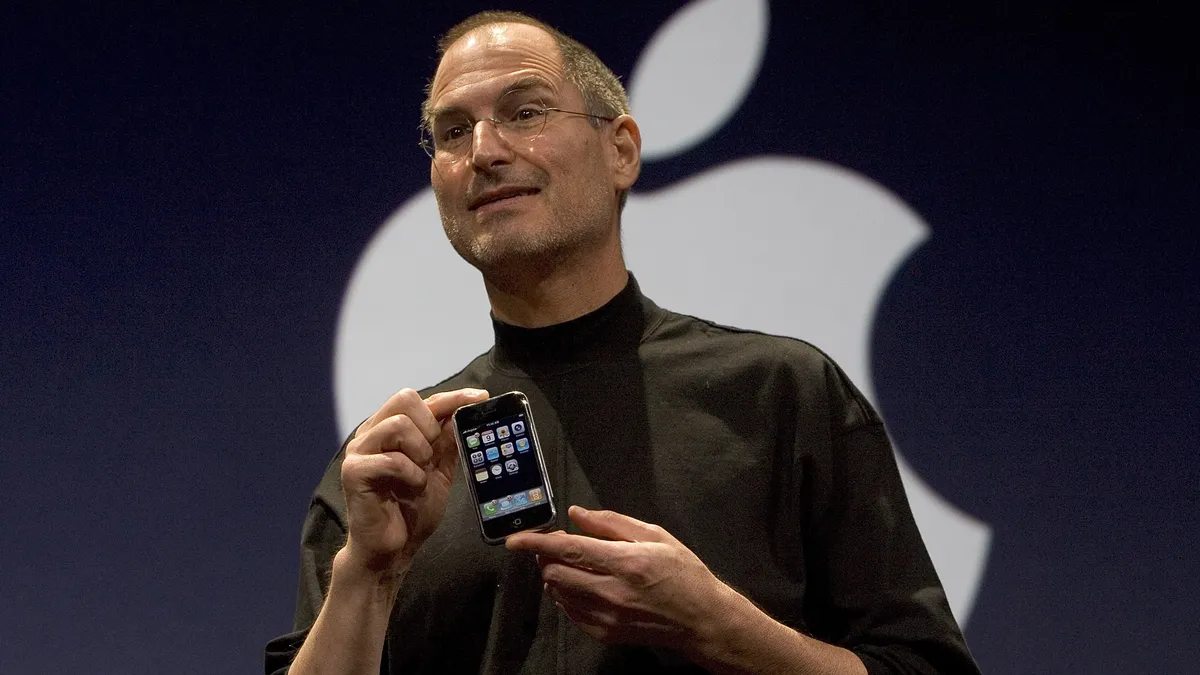
Apple unveiled the first iPhone for $499 in 2007, an eye-watering price at the time. Since then, the cost of Apple's iconic product has steadily -- sometimes dramatically -- increased, due to a wide array of factors, like improved technology and features. The tech giant also faces consistent pressure to keep growing its booming iPhone business, which accounts for nearly half its revenue.
Apple's iPhones have only become more expensive over the last 15 years, even when you adjust for inflation. What's less clear, however, is whether that trend will continue next year when the expected iPhone 15 (unofficial name) arrives. With macroeconomic challenges dampening smartphone demand and Apple's history of changing prices, it's difficult to make predictions.
"There is enough downward pressure on the market right now that it's not going to be easy for Apple to increase prices," said the International Data Corporation's Bryan Ma.
How the iPhone's price has changed over time
Today's iPhones are significantly more expensive than Apple's early models. The steepest price increase occurred over the last six years, however. In 2016, the price climbed up to $649 for the iPhone 7. The following year, Apple charged $50 more for the iPhone 8, and in 2018, the iPhone XR was $50 more than that (starting at $749).
When Apple released the iPhone 11 in 2019, the price dropped back to $699, making it the lowest-priced phone the tech giant had launched in two years at the time. But that break didn't last long. The year after, the iPhone hit its highest price ever: $829 for the iPhone 12 -- partially thanks to the introduction of 5G. That means in six years, the starting price for a "regular" iPhone has increased $180 at face value, without adjusting for inflation. (You can scroll down to the bottom to our chart that tracks the price changes of Apple's iPhone from 2007 to 2022.)
To be fair, Apple hasn't increased the prices of the regular iPhone and the pro iPhones in the two years since the iPhone 12. But it has employed clever pricing strategies that make it more expensive to buy into the flagship iPhone lineup. For instance, Apple debuted the iPhone 12 Mini in 2020. It retailed for $729 unlocked which dropped to $699 if you activated it on a carrier at the time of purchase. That means the Mini sells for the exact same price as the previous year's iPhone 11 -- even though the former is a smaller device positioned as a more budget-friendly option. Fast-forward to 2022, and suddenly the Mini is missing from the iPhone lineup. (Apple discontinued it in favor of the iPhone 14 Plus.) Without an iPhone 14 Mini, the price of buying into the iPhone 14 series is now $829. That's higher than last year's buy-in price by $100.
For next year's iPhone 15, the buy-in price of the upcoming flagship lineup or the price of the regular iPhone 15, is currently expected to remain the same, according to analysts and rumors. However, the upper limit of the price range could be pushed higher thanks to the rumored debut of a luxe iPhone 15 Ultra, which would replace the iPhone 15 Pro Max. This falls in line with predictions from seasoned Apple analyst Ming Chi Kuo, who expects Apple to differentiate further between the iPhone Pro and iPhone Pro Max models.
"It's the best practice via a precise product segmentation strategy to generate more sales/profits in a mature market," Kuo wrote in a post on Twitter in September.
It's no secret that phone prices have soared as technology has progressed. New features like 5G, advanced cameras and foldable displays all make for more expensive phones. Thankfully, even Apple's priciest iPhone is still cheaper than foldable phones like the Galaxy Z Fold 4, which starts at $1,800 without a trade-in. But it's getting close. Case in point: The highest-storage variant of the iPhone 14 Pro Max (1TB) will set you back $1,599 -- and that's before you throw in sales tax, Apple Care, a phone case and anything else you might need to use your new iPhone.