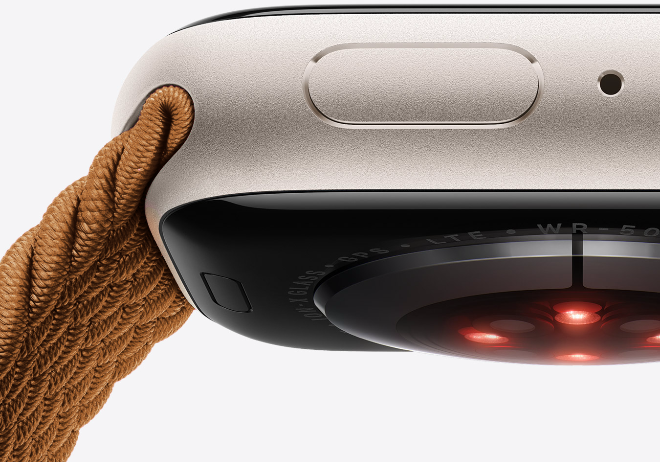
These Participants were provided with an Apple Watch Series 3, which is to be worn for the duration of their visit.
The median age of the population was 35.5 (IQR 30-41) years. The median time each individual spent wearing the Apple Watch was 2 hours and 17 minutes and a total of 15,683 data points were collected across the population.
Data collected from the Apple Watch included heart rate, heart rate variability (calculated), and calories. Pain scores and vital signs were collected from the electronic medical record.
Various machine learning models were used on the collected data to evaluate if pain due to VOCs could be predicted.
The researchers found that the strong performance of the model in all metrics validates feasibility and the ability to use data collected from an Apple Watch, to predict the pain scores during VOCs.
According to these researchers, it is a novel and feasible approach and presents a low-cost method that could benefit clinicians and individuals with sickle cell disease in the treatment of VOCs.