Samsung's latest addition to its smartwatch lineup, the Galaxy Watch Ultra, is facing scrutiny after a user reported a significant hardware issue just a month after purchase. The incident has sparked discussions about the device's durability and the company's customer service responsiveness.
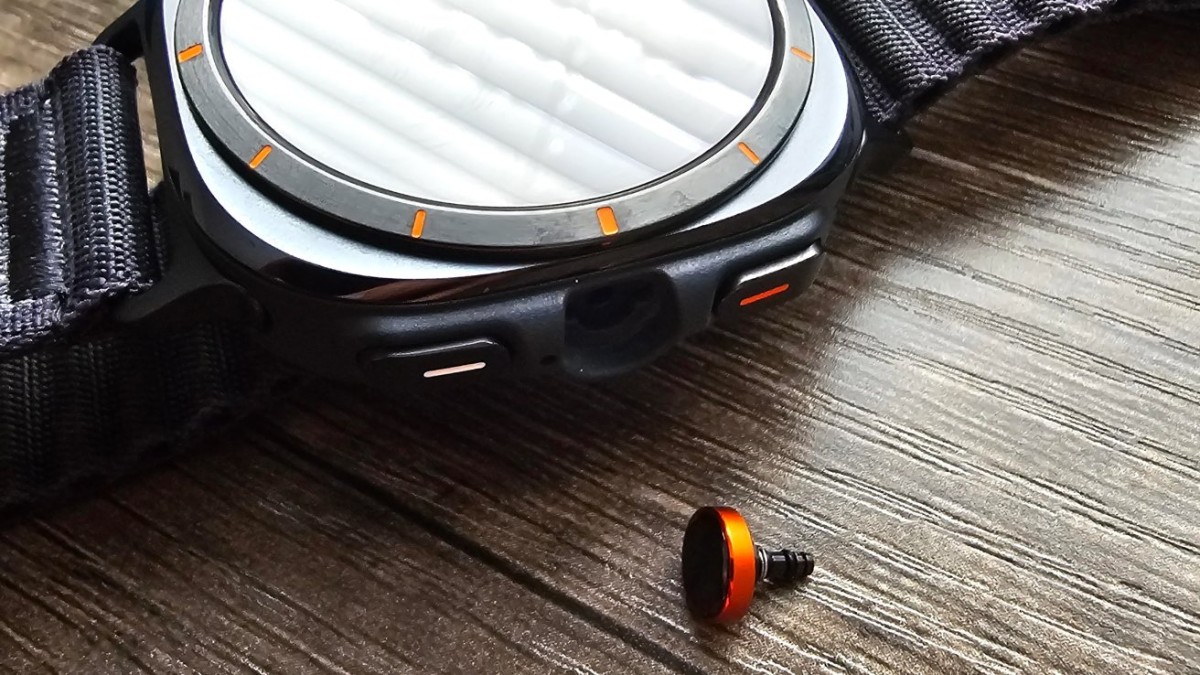
A Reddit user shared their experience of receiving the Galaxy Watch Ultra on July 20 and noticing the action button detaching from the watch in mid-August. The Galaxy Watch Ultra, unveiled on June 10, has been noted for its rugged design and features that bear resemblance to Apple's Watch Ultra, including similar orange accents and band designs. Samsung has utilized the "Ultra" moniker across various products, signifying top-tier specifications and durability.
Upon discovering the defect, the user reached out to Samsung's customer support, requesting a replacement for what they considered a manufacturing flaw. Contrary to the user's expectations, Samsung directed them to send the device in for repair under warranty. After inspection, Samsung presented the user with a $107 repair bill, suggesting that the damage might not be covered under the standard warranty terms and implying possible user-induced damage.
The situation has led to frustration, with the user expressing disappointment over Samsung's handling of the issue. Comparisons have been drawn to Apple's customer service practices, where defective units are often promptly replaced to investigate and address underlying manufacturing issues. Critics suggest that Samsung could benefit from adopting a similar approach, prioritizing customer satisfaction and product quality assurance.
The story gained further attention after being shared on tech influencer Brandon Butch's X account, amplifying the discussion beyond the Reddit community. The public discourse highlights the importance of robust customer service policies, especially concerning flagship devices marketed for their durability and reliability.
While it's unclear whether the issue is an isolated incident or indicative of a broader manufacturing problem, the case underscores the critical role of responsive and customer-centric service practices in maintaining brand trust and loyalty. Consumers and industry watchers alike will be keen to see how Samsung addresses such concerns moving forward, potentially influencing future purchasing decisions and the company's reputation in the competitive smartwatch market.