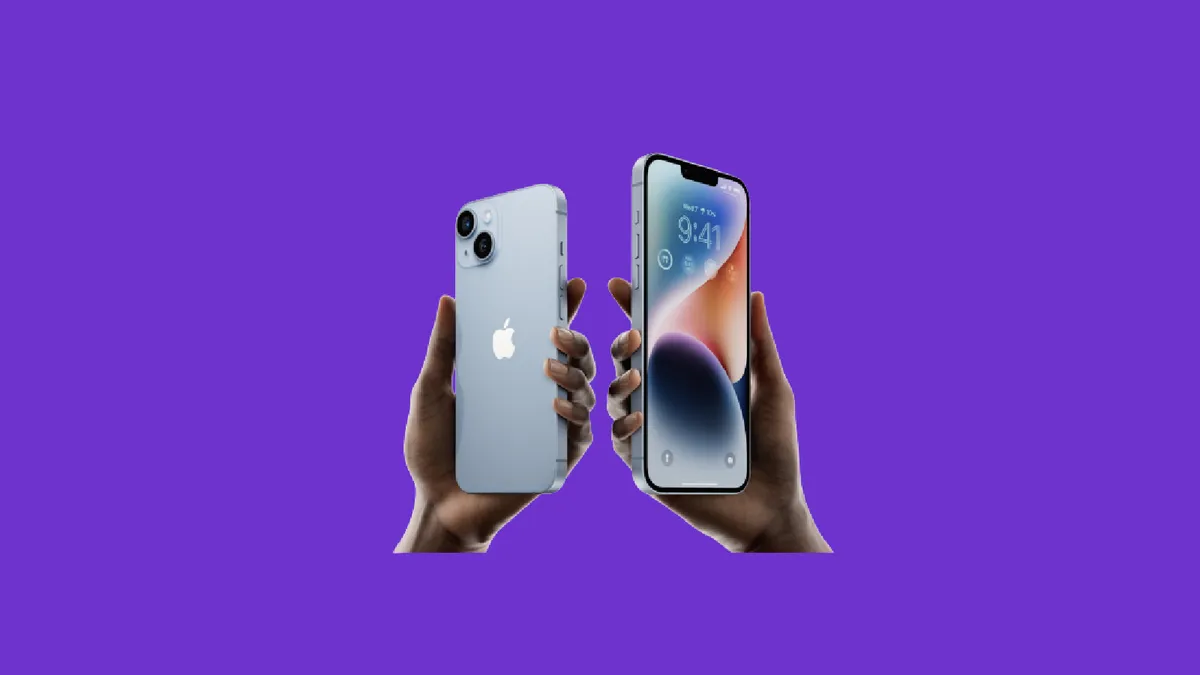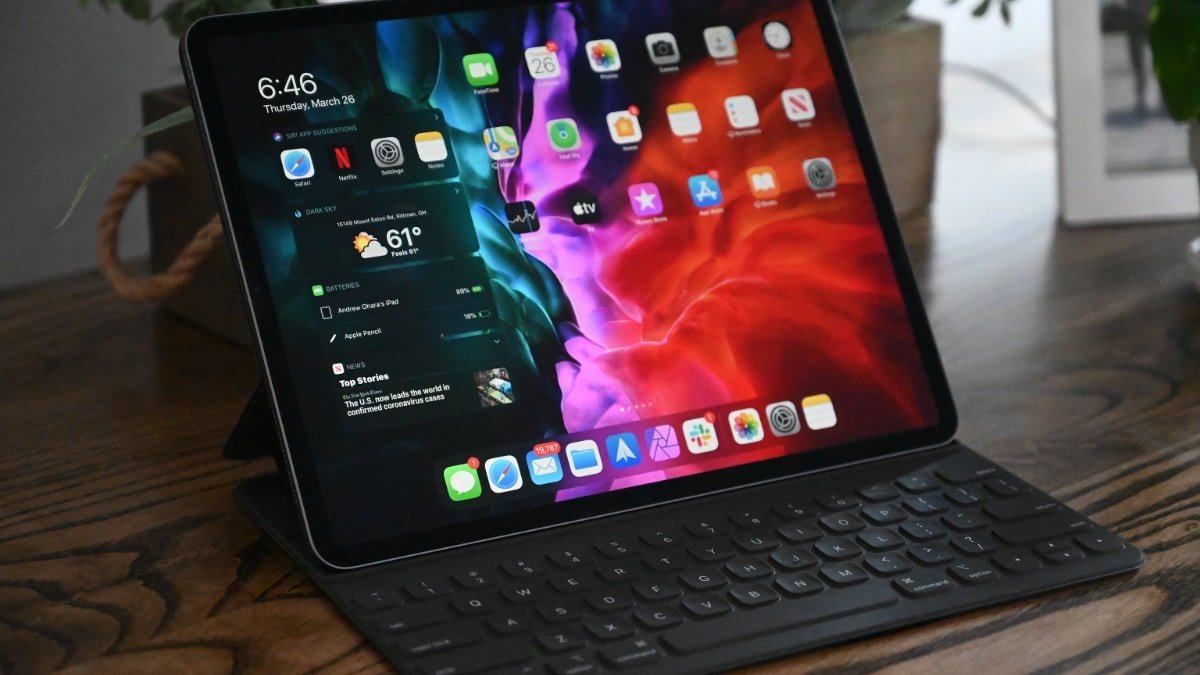
While old iPhones are often sold or discarded when users upgrade, old iPads have a different fate. In the twelve months ending March 2024, a striking 67% of repeat iPad buyers held onto their old devices. In contrast, only 41% of iPhone buyers did the same. This behavior sheds light on the unique role iPads play in users' lives and their enduring appeal.
Repurposing and Hand-Me-Downs
Unlike iPhones, old iPads frequently find new life with family members or friends. Approximately one-third of outdated iPads are handed down, compared to just about 10% of old iPhones. This hand-me-down trend shows how iPads continue to be valuable and functional, even as newer models hit the market.
Longevity and Utility
The necessity to replace old devices differs significantly between iPad and iPhone users. Data from Consumer Intelligence Research Partners (CIRP) shows that only 23% of iPad upgraders replaced their device due to loss, theft, or damage. For iPhones, this figure is much lower at just 6%. This indicates that iPads are less frequently replaced out of necessity, reinforcing their durability and long-term usefulness.
Trade-In Market Differences
The trade-in and secondary markets also reflect the differences in how these devices are valued. Less than 10% of iPad upgraders trade in their old device, compared to almost half of iPhone upgraders. This suggests that iPad users see more value in keeping their old devices than in trading them in for a small financial return.
Enduring Versatility
The versatility of the iPad plays a significant role in its longevity. Whether used for browsing, streaming, educational purposes, or even as a secondary screen, old iPads continue to serve useful roles in households. Their ability to adapt to new uses makes them a staple in many homes long after they've become technologically outdated.
Customer Loyalty and Utility
The trend of retaining old iPads highlights a strong customer loyalty and a perception of enduring utility. For many users, the need to upgrade to the latest iPad isn't as pressing, allowing older models to remain in use for years. This contrasts sharply with the faster turnover seen with iPhones, where the push for the latest model is more pronounced.