Apple’s headset manufacturing cost is higher than competitors
A report from Wellsenn XR details the Bill of Materials (BoM) for Apple’s upcoming mixed reality headset. If the report is correct, the components cost Apple around $1,400. When shipping costs are added, the price for each unit comes to $1,600. The headset is expected to be equipped with Apple’s M2 chip, 12GB of RAM, 512GB of SSD storage, Wi-Fi 6, and Bluetooth 5.3 for fast wireless connection.
As detailed by XRDailyNews, the most expensive components are the OLED displays, which are expected to cost between $280 and $320 per unit. The camera arrangement with 14 lenses is not exactly cheap either, costing around $160.
But how does this compare to other headsets already available on the market? Brad Lynch, an expert on XR (extended reality) devices, noted that the manufacturing cost of the Meta Quest Pro is half the price of Apple’s headset. The Meta headset was launched for $1,500, but the price was later cut to $999. This means that Meta makes about $250 per unit of its headset.
Apple, on the other hand, is known for not giving up its profit margin. A Bloomberg report said that the company considered selling the device at a loss to make it as competitive as possible, but the idea was then scrapped.
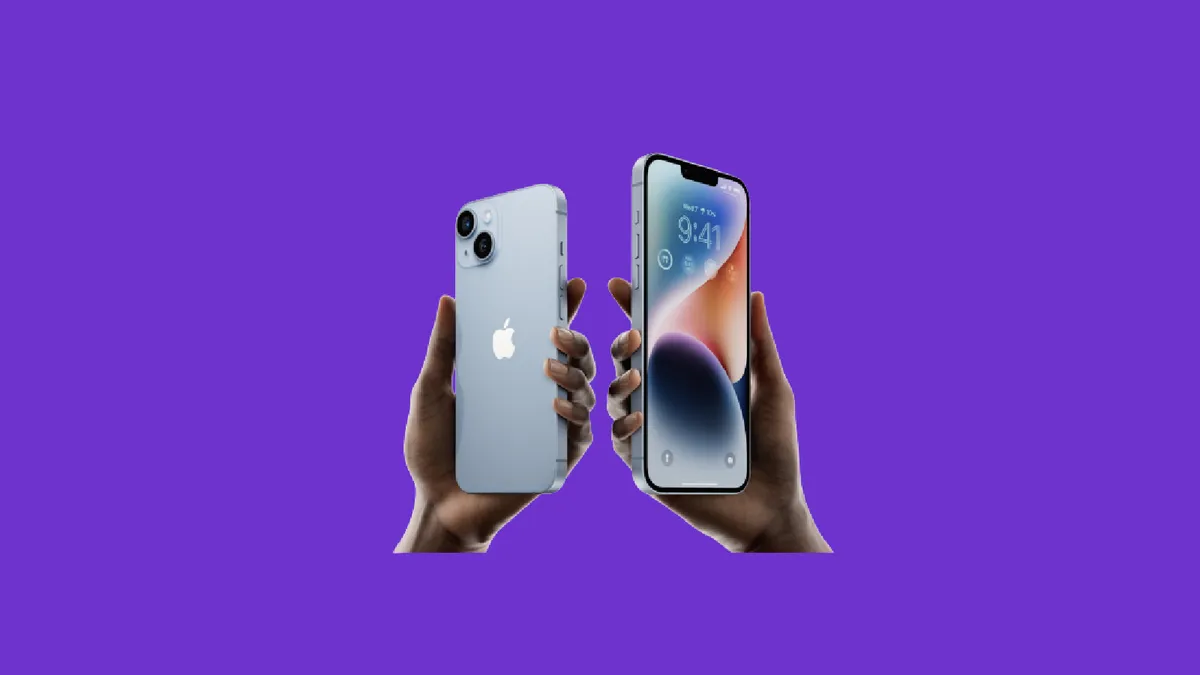
Apple spends around $500 to manufacture an iPhone 14 Pro Max, which starts at $1,099 in stores. This aligns with rumors that the headset will cost around $3,000 for customers.
An expensive product with an uncertain future
Sources familiar with the matter say that Apple has spent more than $1 billion a year on the development of its headset. At the same time, the company has lowered its sales expectations for the product. Analysts believe that Apple won’t sell much more than 500,000 units of the headset in its first year.
Of course, based on this report, we can also assume that Apple is indeed building a much more premium headset with more advanced technologies than its competitors. But only time will tell if customers are actually willing to spend that much money on a new product category that, so far, hasn’t proved very appealing.