Home work
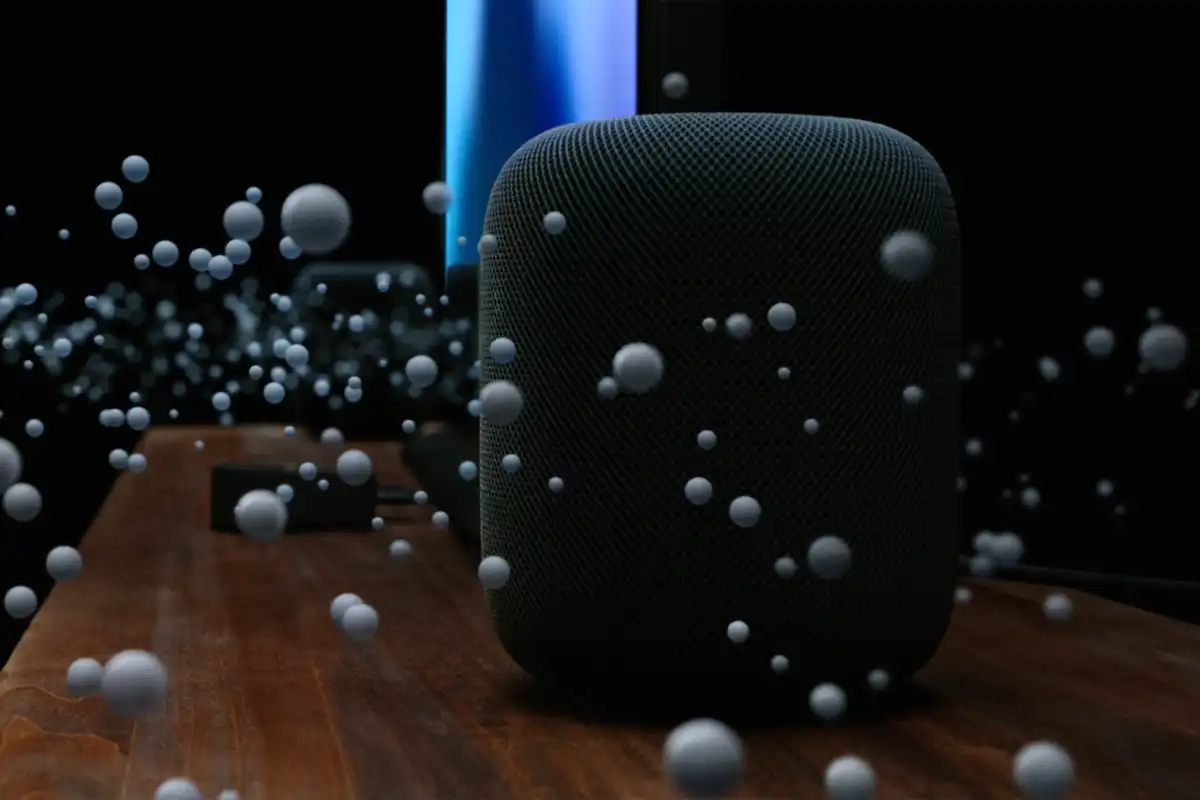
This week I’ve been working on the Macworld review of Apple’s new HomePod and spoiler alert: It’s an attractive and well-made device with great sound. But it’s also quite confusing to evaluate. The question I keep coming back to is this: Who is this for?
Famously and somewhat mysteriously, Apple discontinued the original HomePod in 2021 a few months after releasing the $99 HomePod mini. At the time, most pundits assumed this was an admission that the full-size model simply didn’t sell: It was on the costly side, after all, and didn’t play nicely with Android phones, or streaming services other than Apple Music. It also had an annoying non-detachable power cord and a reported tendency to leave white circular marks on people’s furniture. The HomePod mini didn’t solve all of those problems, but it’s much easier to forgive flaws when you’re paying $99 rather than $299.
If sales numbers were the problem, it’s a little confusing that Apple has chosen to launch another full-size HomePod that looks almost identical to the original. There are some changes, of course, and if you bought the first HomePod and returned it in disgust, it’s possible that your annoyances have been addressed: the power cord is now detachable, while the base (like that of the HomePod mini) is a flat circle rather than a ring, and far less prone to leave marks. But broader issues still remain.
Despite a slightly lower price than the first HomePod had at launch, this remains an expensive smart speaker that isn’t terribly smart (thanks to Siri’s continuing imperfections) and doesn’t play nicely with most products and services from outside Apple’s ecosystem. And it’s hard to see this changing the minds of those who weren’t impressed by the original model.
Those like me, meanwhile–people who owned the first HomePod and rather liked it for all its faults–are unlikely to be pushed into an upgrade. The new model is better in some ways, with a larger screen and more balanced audio output, but not by enough to justify a replacement. And it can’t be set up as a stereo pair with its 2018 counterpart. The upgrade path simply isn’t very compelling.
There are possibilities we may not have considered. It’s possible, for example, that the original HomePod sold fine and was discontinued for other reasons; problems with manufacturing during the pandemic, perhaps. It’s also possible that the new HomePod is part of a wider strategy to tackle the smart home, and isn’t intended or expected to make a lot of money in its own right. Maybe Apple thinks the HomePod mini is more appealing when set alongside a prestige product at a higher price point, or just thinks it’s silly to sell a mini product when there isn’t something else that’s bigger.
Whatever the reasoning—and Apple generally knows what it’s doing—I’m not sure I follow it. But at the same time, I do like the HomePod, which may give an insight into how difficult this review has been to write. If you’d like to read it in full, tune into Macworld next week.