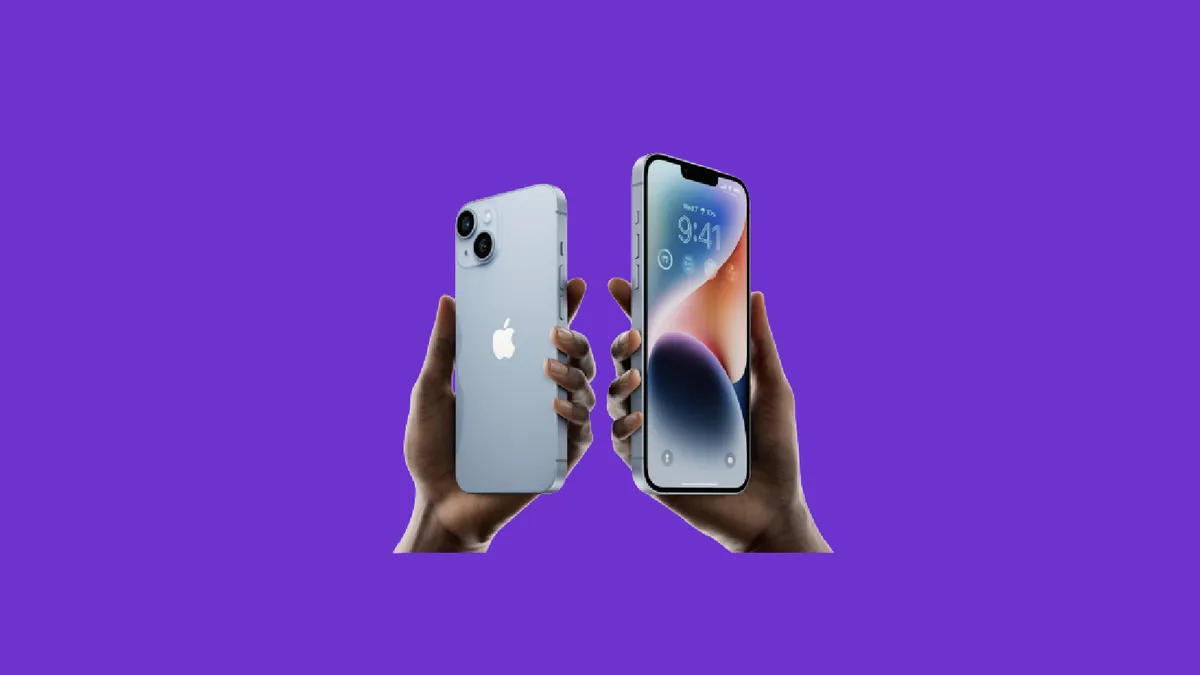
The iPhone 16 Pro is breaking records in more ways than one. Following its recent release, tech experts at iFixit tore down the device and gave it the highest repairability score since the iPhone 7. With significant improvements, including a fully-encased battery and better access to internal components, the iPhone 16 Pro is being hailed as Apple’s most repair-friendly smartphone in years.
Easier Battery Replacement and Safer Repairs
One of the standout changes in the iPhone 16 Pro is its new metal battery, which is encased to minimize fire risks during repair. According to iFixit, this innovation makes battery replacements safer and easier, even if the battery occupies more space than its predecessor. Despite its larger size, the new battery also offers greater capacity, jumping from 12.7Wh in the iPhone 15 Pro to 13.94Wh in the iPhone 16 Pro.
Missing 5G Antenna Due to Camera Button
A notable hardware adjustment involves the removal of one of the 5G mmWave antennae, a consequence of the new Camera Control button. This change could impact users who rely heavily on mmWave for high-speed data access, especially in U.S. cities where the signal is already inconsistent and weak. To balance this, Apple has shifted the remaining antenna closer to the phone’s outer edge.
Improved Design for Repairs
The iPhone 16 Pro also adopts a dual-entry design, meaning repairers no longer need to remove the display to access internal components. This not only simplifies repairs but also reduces the risk of accidental damage to the screen. iFixit praised the use of battery pull tabs for easier battery removal, despite their occasional faults.
Additionally, Apple’s iOS 18 update has made part replacements simpler, allowing most components to be swapped with OEM parts without software issues.
Highest Repairability Score in Years
Thanks to these improvements, the iPhone 16 Pro and iPhone 16 Pro Max earned a repairability score of 7 out of 10, the highest rating since the iPhone 7. For comparison, the iPhone 15 Pro Max received just a 4 out of 10. Notably, the iPhone 14 originally scored the same 7 out of 10, but iFixit downgraded it a year later due to Apple’s restrictive parts-pairing practices.
This boost in repairability could be seen as Apple responding to increasing consumer demand for longer-lasting, easier-to-fix products.