In the midst of the ongoing Ukraine-Russia conflict, an unexpected technological ally has emerged for the Ukrainian Air Force: the iPad. These devices are being used to retrofit older, Soviet-era jets, enabling them to handle modern Western weapons with surprising efficacy and speed.
During a presentation at the Global Security Forum on April 24, Dr. William LaPlante, the U.S. Undersecretary of Defense for Acquisition and Sustainment, shed light on this innovative solution. He revealed that iPads are being installed in older fighter jets to facilitate the use of advanced weapon systems, effectively modernizing the fleet without the need for extensive hardware upgrades.
“The adaptability of iPads allows Ukrainian pilots to manage complex weapon systems and navigate during flights using digitally provided maps and operational data," LaPlante explained. This integration happens so quickly that "they are flying it in conflict like a week after we get it to them."
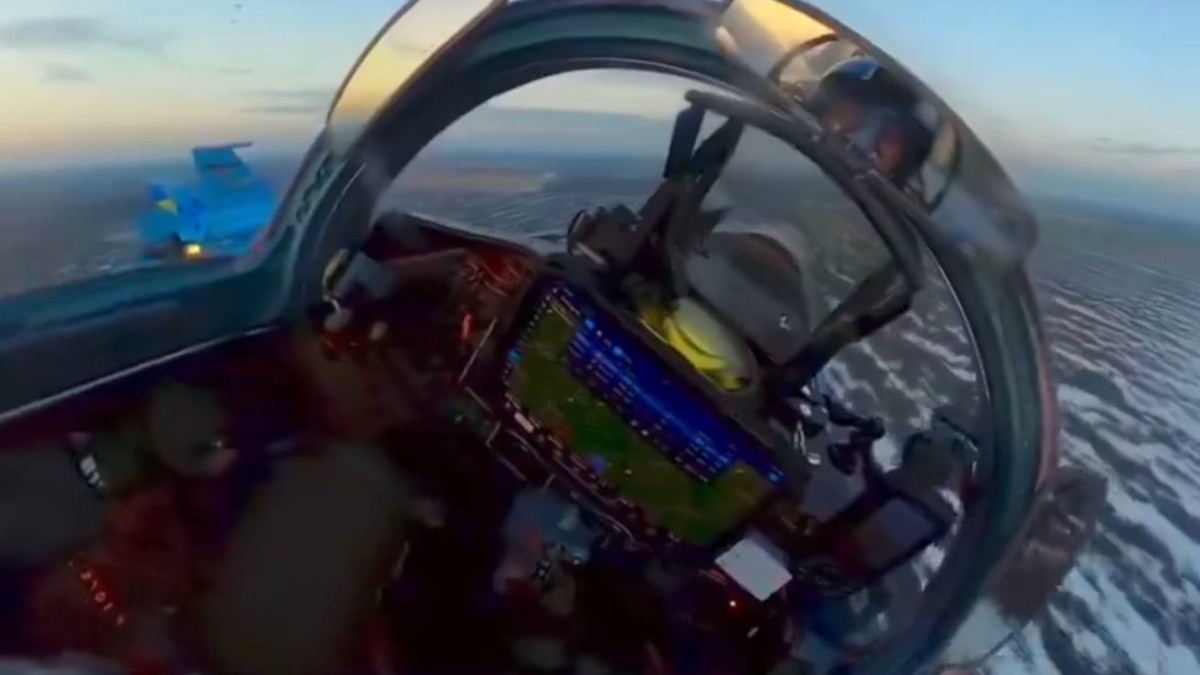
A recent video demonstrated this technology in action, showing an iPad mounted in the cockpit of an Su-27 Flanker. The device is central to the cockpit setup, suggesting it plays a critical role not only in weapon management but also in avionics and other flight operations.
The iPads are configured to work with a variety of sophisticated weaponry supplied by Western allies, including U.S.-supplied AGM-88 High-Speed Anti-Radiation Missiles, Joint Direct Attack Munition-Extended Range bombs, French Hammer rocket-assisted bombs, and dual-mode PaveWay IV precision-guided bombs from the UK.
This is not the first time iPads have been utilized in aviation; they are commonly used in commercial flights as electronic flight bags, replacing heavy physical documents and saving fuel. However, their use in a combat scenario highlights the versatility and potential of consumer electronics in military applications.
In another interesting twist, Apple products have found various uses in the conflict. In one instance, a Ukrainian used the Find My app to track AirPods stolen by retreating Russian forces, thus monitoring enemy movement.
This innovative use of everyday technology underlines a new era in warfare, where adaptation and speed can leverage existing technologies in unforeseen ways, providing significant tactical advantages on the battlefield.