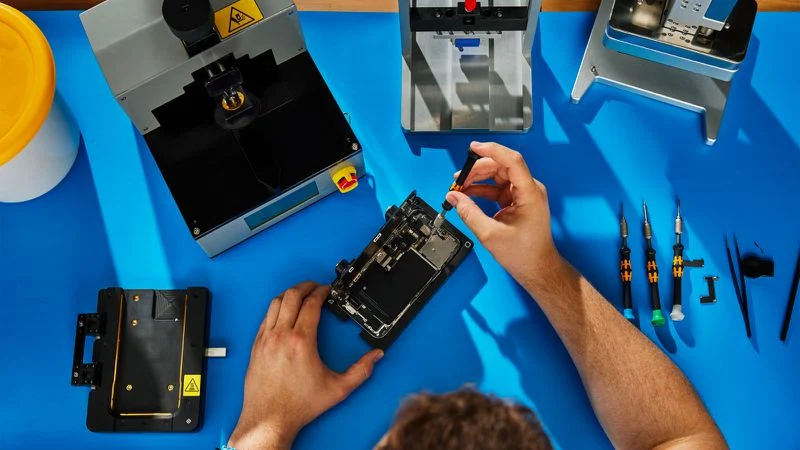
iFixit's petition to the Federal Trade Commission (FTC) underscores a growing concern and demand for more robust right-to-repair regulations in the electronics industry. Their proposal touches on several critical areas that, if addressed, could significantly impact consumers' ability to repair their devices and the sustainability of electronic products at large. Here's a breakdown of the key issues and their potential implications:
Accessibility of Consumable Components
Making consumable components easily replaceable and accessible is crucial for extending the lifespan of devices. This approach not only benefits consumers by reducing repair costs but also contributes to environmental sustainability by minimizing electronic waste.
Availability of Commonly Broken Parts
Ensuring that parts prone to breaking are readily available for repairs is essential for maintaining the functionality of devices over their intended lifespan. This availability can lead to a reduction in the overall consumption of electronic devices, as well as a decrease in waste.
Freedom of Repair Choice
Allowing consumers the freedom to choose where and how their devices are repaired empowers them to make decisions based on cost, convenience, and trust. This freedom can stimulate competition in the repair market, potentially leading to lower prices and higher quality services.
Support for Discontinued Products
The ability to maintain and repair discontinued products is vital for sustainability and consumer rights. This ensures that devices remain functional and valuable long after the manufacturer has ceased direct support, thereby extending their usable life and reducing unnecessary waste.
Interchangeability of Identical Components
The principle that identical components should be interchangeable without manufacturer intervention challenges practices that lock repairs and parts to specific devices. Addressing this issue could significantly enhance the repairability and sustainability of electronic devices.
Privacy in Repairs
Protecting consumers' privacy during the repair process is a critical consideration. Independent repair shops should not be forced to compromise their customers' privacy as a condition for conducting repairs, ensuring trust and confidentiality in the repair process.
Repairability Scores
Adopting a system similar to France's repairability scores could incentivize manufacturers to design more repair-friendly products. This transparency would also empower consumers to make informed decisions based on the long-term value and repairability of devices.
iFixit's petition reflects a broader movement towards sustainable consumption, environmental responsibility, and consumer rights in the face of increasing electronic waste and restrictive manufacturer practices. By addressing these issues, the FTC has the opportunity to foster a more sustainable, competitive, and consumer-friendly electronics repair industry. Apple's nuanced stance on repairability and its support for California's Right to Repair law highlight the complex relationship between manufacturers' interests and the growing demand for greater repair freedoms. As the debate continues, the actions taken by regulatory bodies like the FTC could have far-reaching implications for consumers, the environment, and the electronics industry as a whole.