“This product literally saved my life. 7/10”
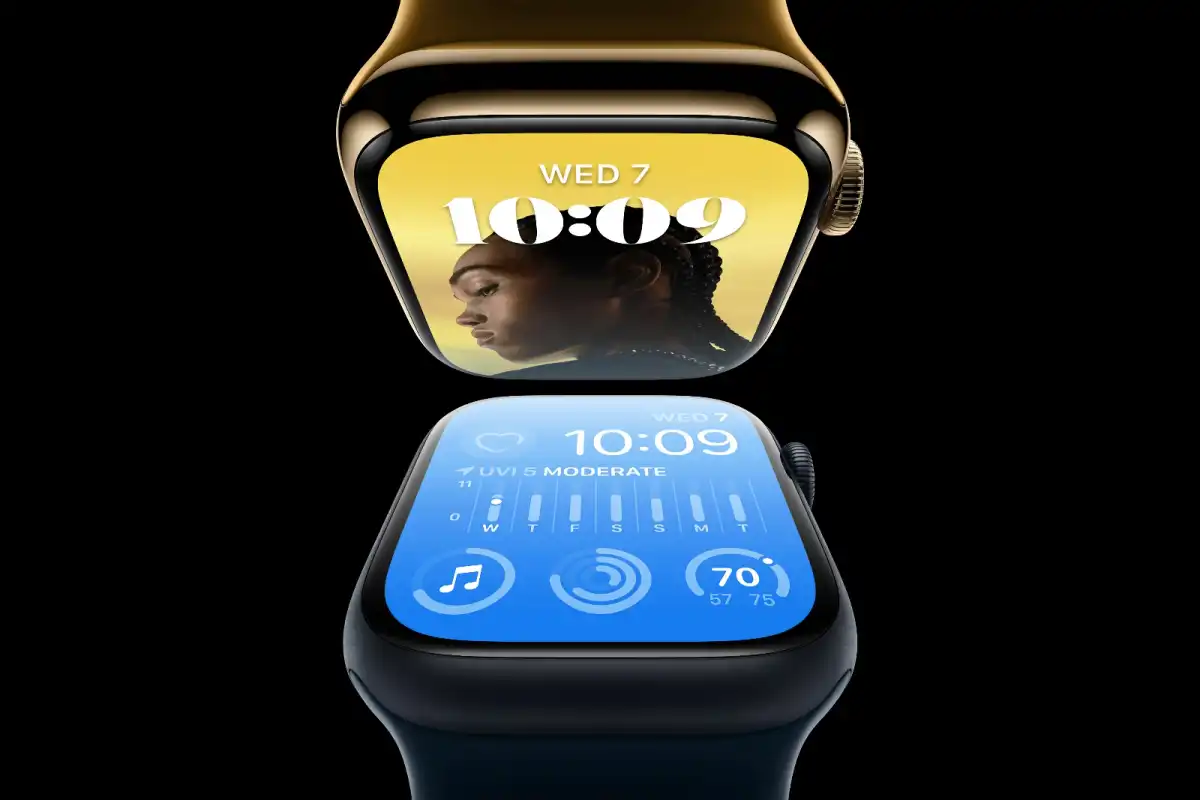
This week I have mostly been reviewing the Apple Watch Series 8, a boring update to Apple’s excellent wearables line. On the one hand it changes very little from the previous generation, which is dull; but it’s also the best mid-priced smartwatch on the market. If it’s not broken, I suppose, why fix it?
Products like the Series 8 can be a challenge for reviewers, who are naturally disposed to seek out and evaluate change. It’s important to remember that most people looking to buy a product haven’t tried the previous model, and that iterative upgrades can still be a must-buy. (That’s assuming you haven’t got a Series 7, of course. If you have, you should probably put away your wallet for another year.) The media machine wants sensation, but boring is quite often good.
Oddly enough, the one exciting change for this year’s watches is another challenge for reviewers, but in a completely different way. Crash Detection is a fascinating inclusion to the iPhone and Apple Watch, but it’s also very difficult to test because it takes effect at moments of great peril.
That’s not to say that a few reviewers, bless them, haven’t risen to the occasion. YouTuber TechRax got in there first, driving one (remote-controlled) car into another and recording the results as expected. But the Wall Street Journal’s later tests (featuring a destruction derby champion, for extra style points) were less successful: devices in the crashing cars did their job, but those in the cars getting crashed into consistently failed to recognize the situation. Apple has argued that the feature was confused by the lack of movement leading up to the crash, and that it will do better in real-world situations. Maybe, but then how do you test a feature that needs a life-threatening real-world situation to properly work?
The extremely small sample size of Crash Detection testers among the dozens of reviews that have already published raises another abstruse question: How much weight should a reviewer give to a feature that can literally save your life–but usually won’t do anything at all? During the Far Out event, Apple’s presenters repeatedly said they hoped user didn’t need to use the feature, and it’s a sort of consumer tech Pascal’s wager: Should a feature that offers peace of mind but might never be used be a reason to spend $399 on an upgrade.
That’s presumably the equation Apple was hoping we’d all run in our heads when it put together the “Dear Tim” segment of last month’s Far Out press event. This was a surreal video of testimony from customers who’d survived hair-raising ordeals thanks to their Apple devices, along with Apple TV+-style dramatizations featuring bears and crashed planes. It would be uncharitable to interpret this as “Buy Apple products or get eaten,” but there was definitely a whiff of memento mori. Life is precious.
The sad reality we tech reviewers may have to face is that some features can’t really be reviewed. With something as existential as crash detection, the best we can do is examine and explain the mechanism, then let customers make their own decision. It may save your life, we must say, but the chances of this happening are so small and the consequences so large, that it’s impossible to rationally factor that into a review score. (Mind you, the idea of it saving your life, the peace of mind owning it will give you, is a real and worthwhile benefit that is far easier to quantify and should not be dismissed.)