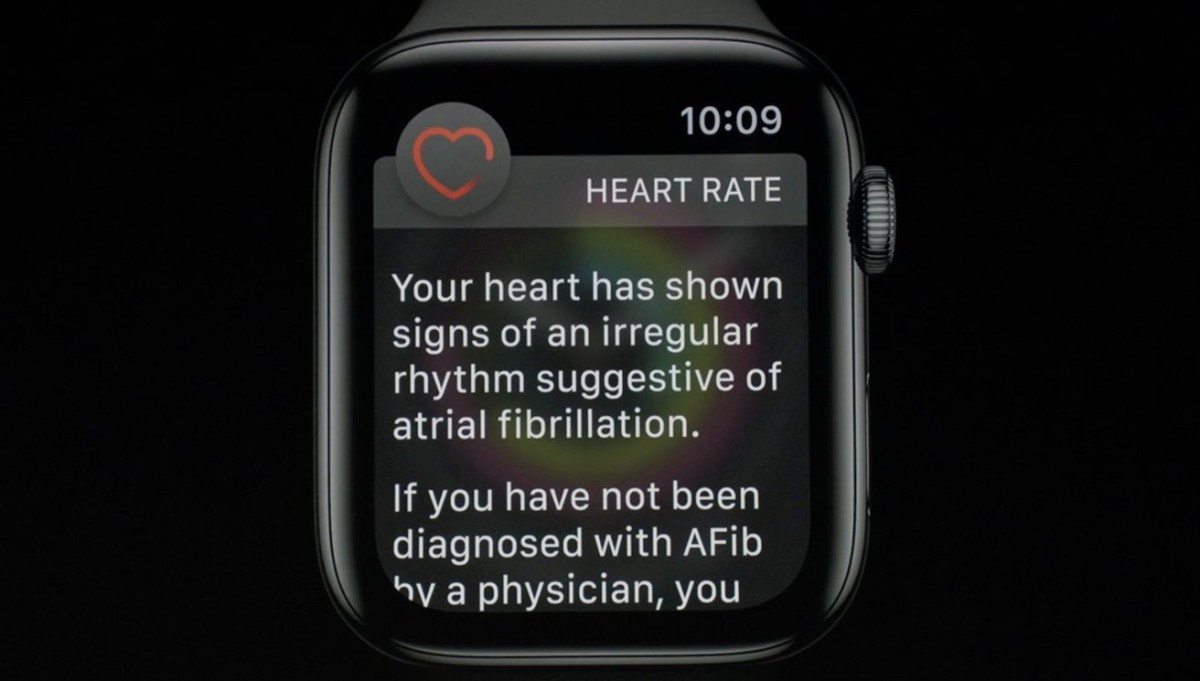
A tech worker's narrative highlights the Apple Watch's role in spotlighting the severe effects of chronic job-related stress and the crucial nature of mental health care. When Sharath Seeram, a 25-year-old software engineer from Bengaluru, began receiving heart rate notifications from his Apple Watch, he wisely decided to consult a doctor.
"The initial step was to rule out any physical health concerns, so the doctor recommended an ECG and blood tests," explained Sharath to Times Now. "After reviewing my test results, she determined my elevated heart rate was primarily due to stress."
Employed in a highly demanding role with long hours and unsupportive leadership, Sharath faced increasing stress as colleagues departed, leaving him with an even heavier workload. This not only affected his mental wellbeing but also manifested physically, leading to nightly fevers and exhaustion.
His physician advised him to either significantly reduce his job stress or resign to avoid potentially severe heart health consequences. Following a career change, Sharath noticed a significant improvement in his heart rate without altering anything else in his lifestyle. He expressed his gratitude to Apple's CEO, Tim Cook, crediting the Apple Watch with a crucial role in acknowledging and addressing his mental health needs.
The Apple Watch has been recognized for its life-saving potential. Recently, an 82-year-old man reported that the device might have saved his life following a vehicular accident. Additionally, the watch played a part in saving an airline passenger through its blood oxygen monitoring feature and aided a student in Delaware in calling for help during a carbon monoxide emergency using the Emergency SOS function.