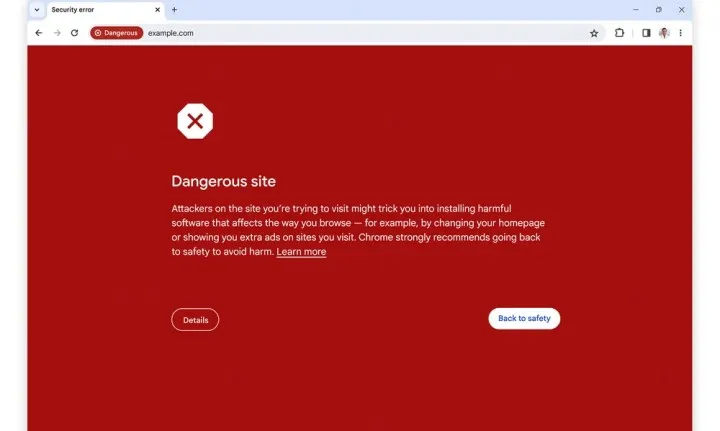
In a significant update aimed at enhancing online security, Google has announced the introduction of real-time URL protection for Chrome users. This enhancement is part of the existing Safe Browsing feature, which is designed to shield users from harmful websites. The real-time URL protection represents an advanced version of the Safe Browsing feature that has been a cornerstone of Chrome's security for years.
Traditionally, Safe Browsing worked by automatically adding URLs that might not be secure to a list stored locally on your device. When visiting a website, Chrome would check the URL against this list and alert you if it matched any known threats. However, this database was updated every 30 to 60 minutes, which meant that newly emerging malicious sites could slip through the net within that window. The latest update addresses this gap by checking websites against Google's server-side list of known bad sites in real time. Google anticipates that this update will lead to a 25% increase in the prevention of phishing attempts.
To balance this enhanced security feature with user privacy, Google has partnered with Fastly to manage an Oblivious HTTP privacy server that acts as an intermediary between Chrome and Safe Browsing. This setup ensures that Safe Browsing does not see the user's IP address, and the checks it performs are mixed with those from other Chrome users, further anonymizing the process.
Google offers both Standard and Enhanced Protection modes, with both now capable of real-time checking. However, the Enhanced version is said to provide additional safeguards, thanks to features like artificial intelligence, deep file scans, and extra protection against malicious Chrome extensions aimed at blocking attacks.
Chrome users also have the option of selecting the Enhanced Protection mode of Safe Browsing, which utilizes artificial intelligence to thwart attacks and offers protection against malicious Chrome extensions. Furthermore, Google has recently updated the password check feature on iOS devices, alerting users to compromised passwords and highlighting weak or reused passwords.
The new real-time checking feature for Standard mode is currently available on Chrome for desktop and iOS, and it will be rolled out to Android devices by the end of the month, ensuring that users across all platforms can benefit from increased protection against online threats.