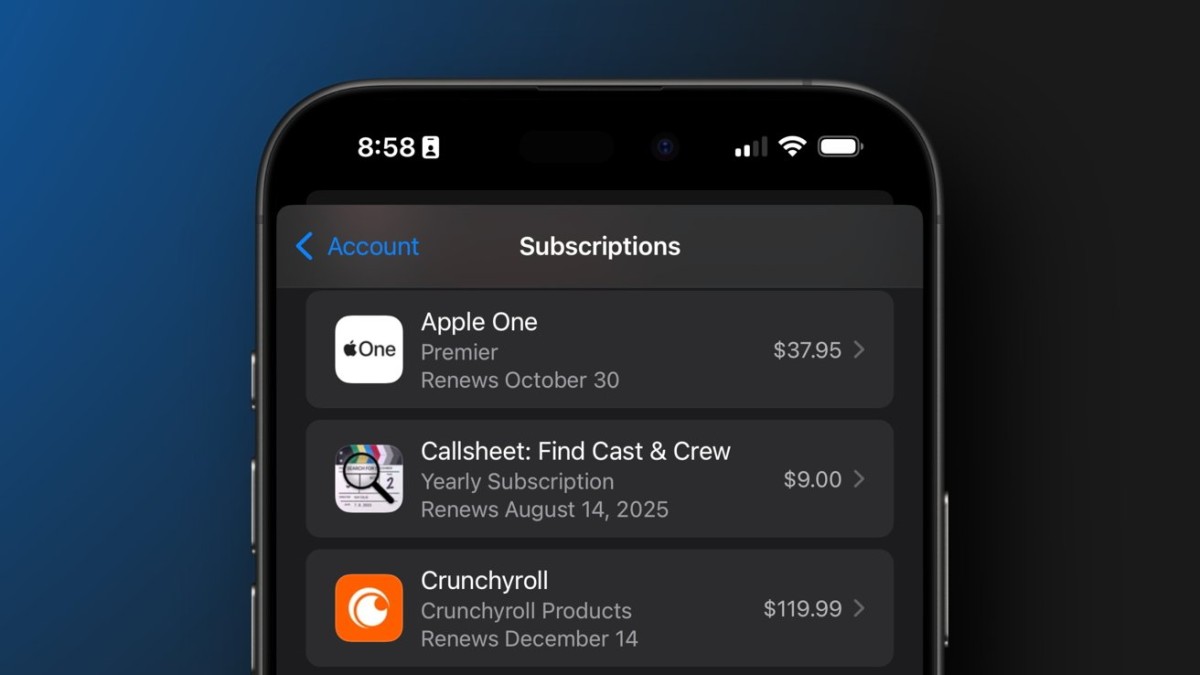
Managing subscriptions is about to get a lot easier thanks to the Federal Trade Commission's new "Click to Cancel" rule. This regulation, set to take effect in 180 days, will block companies from using deceptive practices that make it difficult for consumers to cancel unwanted subscriptions.
The new rule requires companies to provide cancellation options that are as simple as the subscription sign-up process. If you can sign up for a service online, you must be able to cancel it online as well. No more endless phone calls, confusing procedures, or hidden options designed to keep you locked into a service.
FTC Chair Lina M. Khan explained, “Too often, businesses make people jump through endless hoops just to cancel a subscription. The FTC's rule will end these tricks and traps, saving Americans time and money. Nobody should be stuck paying for a service they no longer want.”
This new regulation comes in response to growing frustration over companies that deliberately complicate the cancellation process. Many consumers have faced situations where canceling an online subscription sends them to a phone number, leading to hours of waiting or pressure to accept discounts rather than cancel the service altogether.
Key Prohibitions Under the Rule:
- Companies cannot misrepresent facts when marketing subscriptions.
- They must clearly disclose all key terms before obtaining billing information.
- Companies must get explicit, informed consent before charging customers.
- They must provide an easy-to-use mechanism for customers to cancel their subscriptions immediately.
This rule builds on the FTC's 1973 Negative Option Rule, which regulated similar practices, but now expands protections for modern subscription-based services. As more businesses adopt subscription models for guaranteed revenue, consumers will have a much easier time managing and canceling services they no longer need.
With the "Click to Cancel" rule, the days of jumping through hoops to end a subscription are numbered, offering much-needed transparency and convenience for consumers.