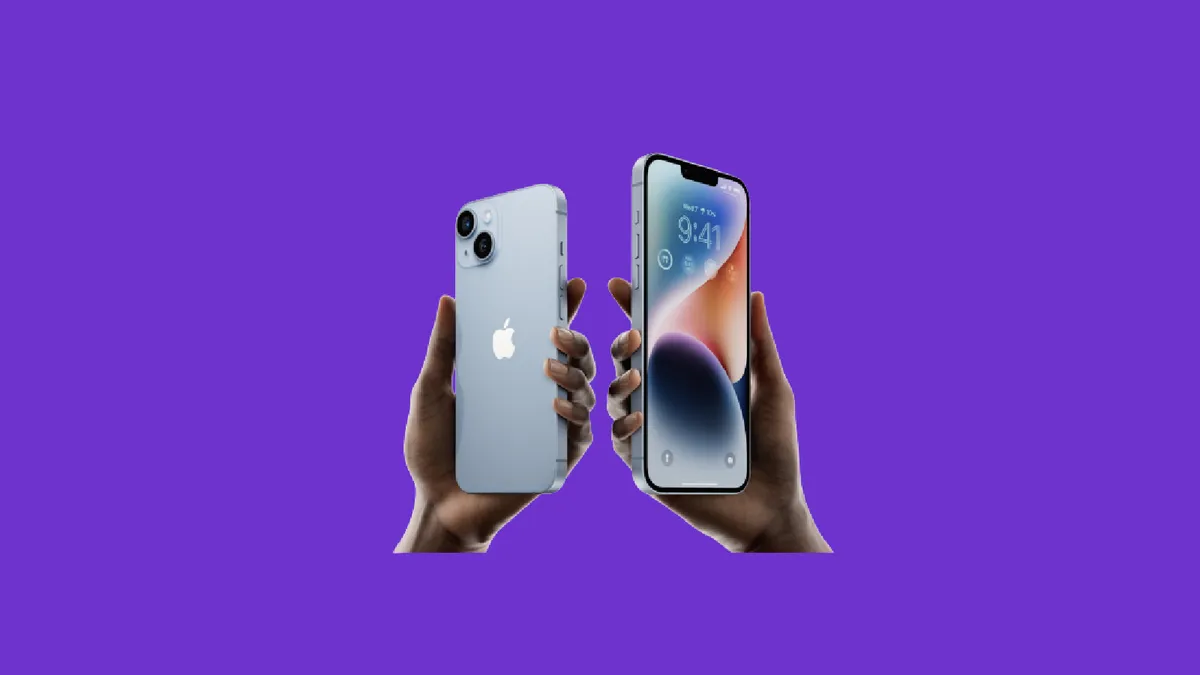
Corning, the leading provider of alkali-aluminosilicate glass used in smartphone screens, is under scrutiny by the European Union for potentially monopolizing the market. The company, famous for its Gorilla Glass, has been a dominant player in the industry, holding a 73% market share in 2016. While its share has since dropped to 40%, Corning still commands a significant portion of the glass supply for smartphones, tablets, laptops, and other display technologies.
Apple's Ceramic Shield, introduced on the iPhone 12, was also developed in partnership with Corning, further cementing the company's role in the smartphone screen industry.
EU Investigation
The European Commission is concerned that Corning may be engaging in practices that distort competition in the glass market. Specifically, the EU is investigating whether Corning's exclusive supply agreements with smartphone manufacturers and raw glass processors are limiting competition. Allegedly, Corning requires manufacturers to source nearly all of their alkali-aluminosilicate glass from them, offering rebates to those who comply with these exclusivity contracts.
Additionally, the company is said to have included no-challenge clauses in its agreements with companies involved in raw glass processing, potentially stifling competition in that area as well.
Potential Consequences
This investigation could have significant ramifications for Corning, as the European Commission moves forward with an in-depth inquiry. Corning has been given the opportunity to respond to the Commission’s concerns. The outcome of this investigation could reshape the landscape of the smartphone glass market, with possible adjustments to Corning’s business practices.
The company also receives significant financial backing from Apple, with a $45 million investment from Apple's Advanced Manufacturing Fund in 2021 aimed at expanding Corning’s capabilities and research.