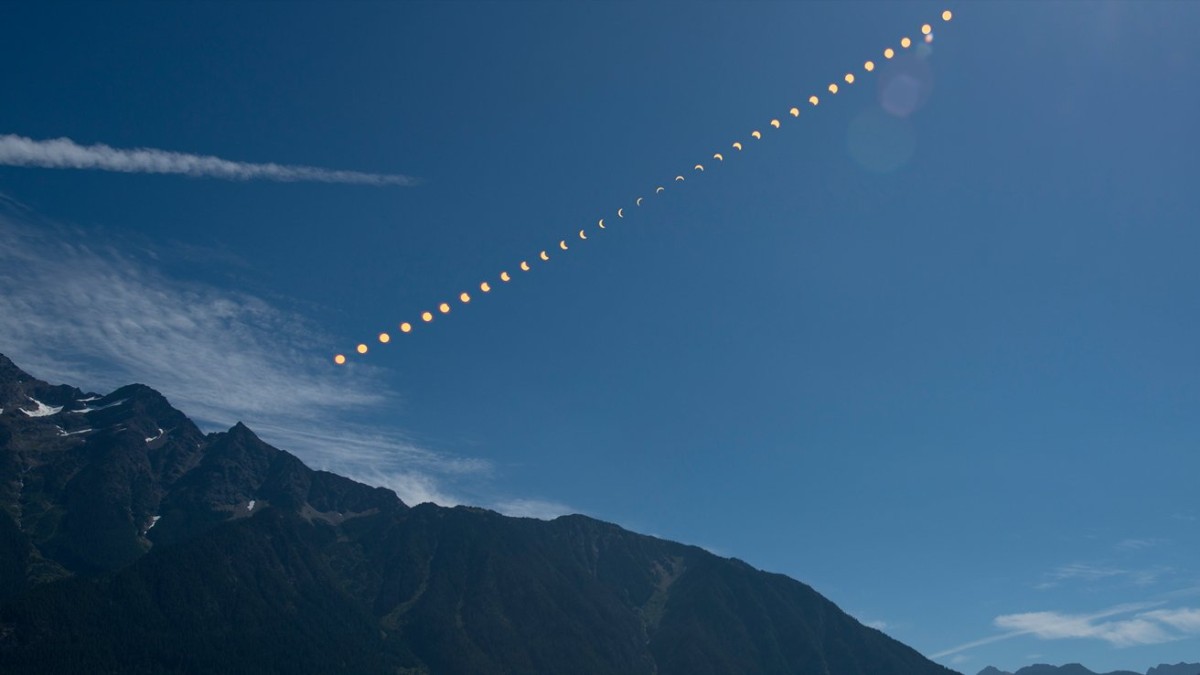
For those within the path of totality, this event offers a prime opportunity for photography enthusiasts and astronomers alike to capture a rare moment. However, snapping that perfect shot of the eclipse requires more than just a smartphone; it demands preparation, proper equipment, and an understanding of safe viewing practices.
Safety First: Protecting Your Eyes and Equipment
Before planning your eclipse photography, prioritize safety. Viewing or photographing the sun without proper protection can lead to serious eye damage. Secure a pair of ISO 12312-2-certified solar viewing glasses to protect your vision. When it comes to safeguarding your camera, invest in solar filters designed for your lens type to prevent damage to the camera's sensitive sensors.
Techniques for Traditional Digital Cameras
For those wielding digital cameras, especially DSLRs, preparation is key. Practice shooting in sunny conditions prior to the event, experimenting with apertures between f/8 to f/16 and shutter speeds ranging from 1/1000 to 1/4 seconds to find what best suits your setup. Remember, during totality, you can temporarily remove your solar filter to capture the stunning scene directly, but ensure it's promptly replaced once totality ends.
Capturing the Eclipse with an iPhone
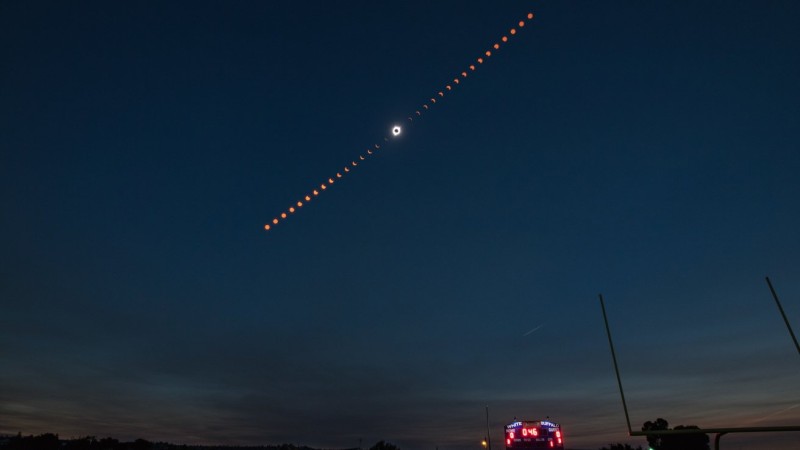
While an iPhone might not be the ideal tool for capturing the detailed majesty of a solar eclipse, with the right approach and accessories, you can still create memorable photos. Consider setting up a time-lapse to document the eclipse's progression or focus on the intriguing shadows and atmospheric changes it induces.
For direct shots of the eclipse, a telephoto lens attachment in the 12x to 18x range is essential. Pair this with a solar filter and a sturdy tripod to minimize shake and maximize image quality. Apps like Halide can offer more control over your camera's settings, increasing your chances of capturing that perfect shot.
General Tips for Eclipse Photography
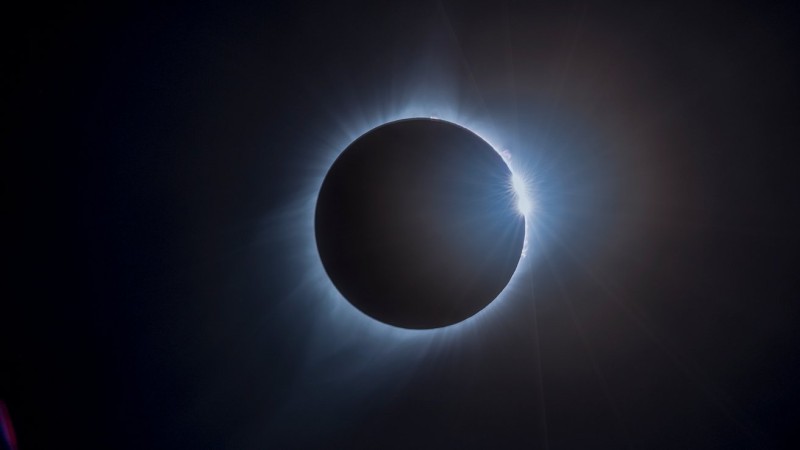
Practice is crucial. Familiarize yourself with your equipment and settings well ahead of the eclipse to ensure a smooth experience. Also, don't limit yourself to capturing the sun alone; the surrounding environment and people can add compelling context to your eclipse photography. Remember, the best images often tell a story beyond the celestial event itself.
By adhering to these guidelines and prioritizing safety and preparation, you can look forward to immortalizing the 2024 solar eclipse through your photographs. Whether you're a seasoned photographer or a curious observer, this event offers a unique opportunity to capture the beauty of our cosmos.