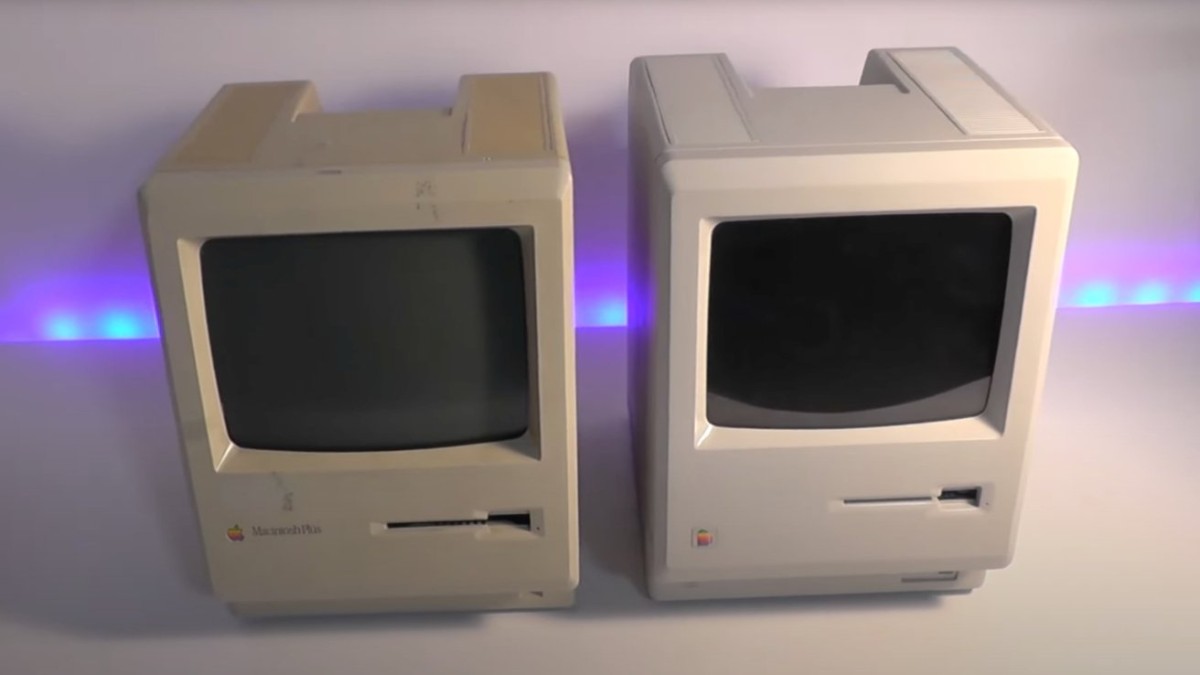
An enthusiast of Apple products has impressively managed to build a custom version of a Hackintosh, which looks very much like the classic Macintosh Plus computer. This was made possible through a significant use of 3D printing technology. Many people who create Hackintosh computers do so because they want to experience using older versions of Apple's Mac operating system, but they don't want to or can't use the old computers that these operating systems were originally designed to run on. Even if someone is interested in buying these older computers, there's always the risk that they won't work properly or be in a condition that's good enough to use.
There's always the option for these Apple enthusiasts to try and repair old Apple computers to get the experience they're looking for, but sometimes, they decide to take a completely different approach. An example of this would be a project where someone updated an old iMac G4 computer with the modern M1 chip found in newer Mac minis.
In a detailed project shared by a designer named Kevin Noki on YouTube, a Hackintosh was made that looks exactly like the original Macintosh hardware. This project wasn't easy; it involved a lot of detailed work with 3D modeling, 3D printing, and working with electronics. Noki had bought a Macintosh Plus that didn't work anymore because its power supply had failed and it was missing its floppy disk drive. This was considered a rare find in Germany, and the decision was made not to gut this Macintosh Plus and replace its insides with modern components, like a Raspberry Pi, because it would be too wasteful.
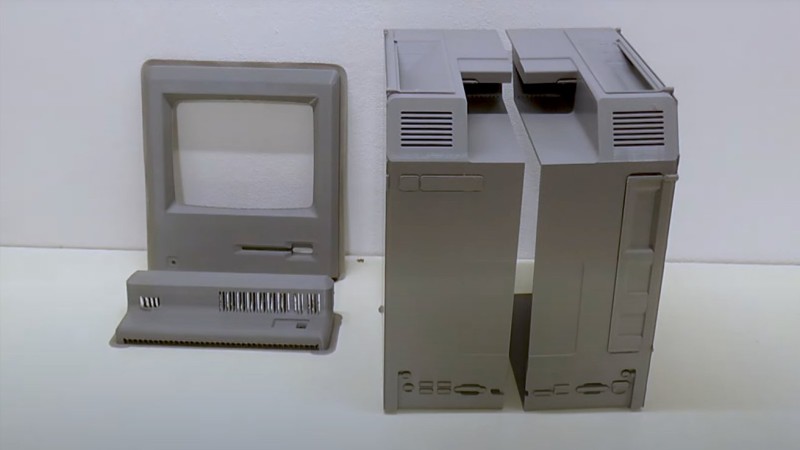
Instead, the YouTuber decided it was better to wait until he could find a replacement floppy drive to fix the Macintosh Plus in the future. But with the broken hardware already there, it seemed like a good opportunity to create a completely new Hackintosh that looked like the original Macintosh. By using the original computer as a reference for the dimensions, Noki managed to recreate the look of the Macintosh Plus's casing through 3D printing. This project took months to complete. The casing was printed in pieces, put together, filled to make it smooth, and then finished in a way that made it look almost exactly like the original.
The project also involved a lot of attention to detail, such as making sure the texture of the case was right, including embossed symbols, and even recreating stickers and badges that were on the original computer.
Titled "Classic Outside, Modern Inside," the internal parts of Noki's creation included a used HP thin client device that he bought for 12 euros ($13) from eBay, as well as parts from a 10-inch display he got from a supermarket cash register for 15 euros ($16), a power supply, and other necessary electronic components.
The thin client was set up to run Linux, but it also was made to run the Mini vMac emulator with some customized coding.
For this project, a USB floppy drive was adapted to work in a way that it could eject automatically using a motor controlled by an Arduino.
Even though the back of the thin client had ports that were easy to get to, special work was done so that the original Macintosh Mouse and Apple ADB Keyboards could be connected without needing to change them. A battery cover at the back hides an SD card reader and additional USB ports, which make it easier to add more storage and move files from one computer to another. Noki even made floppy disks for this project, including one that has an image of the MacPaint program, as well as System 6, which starts up from the floppy drive.
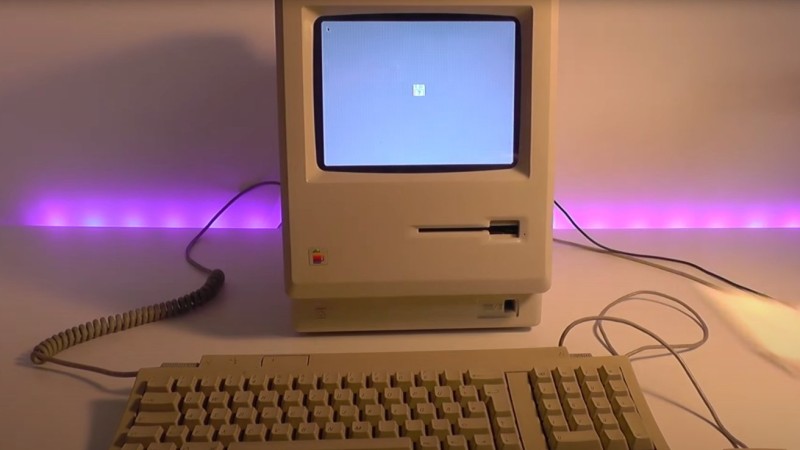
The whole project ended up being a very accurate, life-sized replica of Apple's original computer design, and Noki decided to call it the "Brewintosh."
Even though Noki has made the 3D files for printing the casing, he has mentioned that it's unlikely he will share them publicly anytime soon. He has stated that he would need to talk to a legal expert before releasing them, because of the possibility that Apple's legal team might take action against the project due to copyright issues.