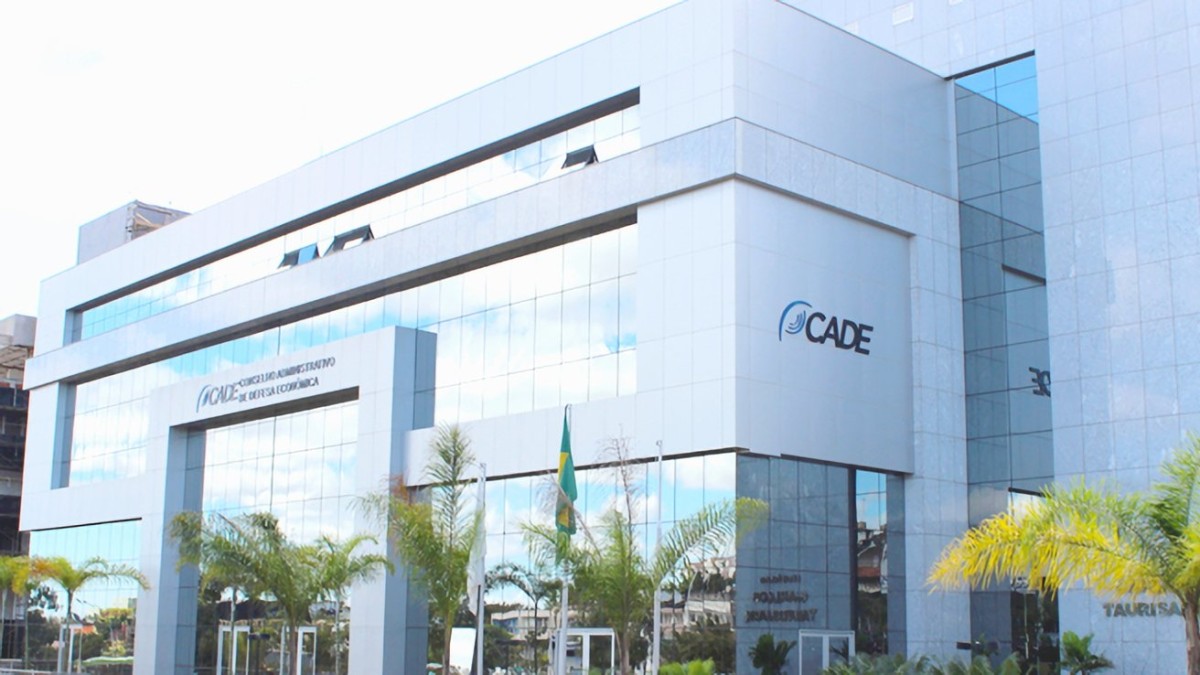
The case, initiated by the Conselho Administrativo de Defesa Econômica (CADE) in 2022, focused on Apple's payment system restrictions and anti-steering practices in the App Store.
The Overturned Ruling
Judge Eduardo Santos da Rocha Penteado of the 14th Federal Civil Court deemed CADE's ruling "disproportionate" and "unnecessary" due to the short timeline Apple was given to comply. The original decision required Apple to:
- Allow external payment options.
- Remove anti-steering practices.
Apple had been given just 20 days to implement these changes or face steep fines.
What's Next?
While this decision is a short-term win for Apple, the company is still under scrutiny. CADE is expected to appeal the judge's decision and refile its complaint with a less aggressive timeline.
The judge acknowledged the need for action, pointing out the lack of competition in Brazil's digital marketplace. However, he emphasized that the compliance complexity warranted a more reasonable approach.
Apple’s Global Response
Apple has faced similar antitrust challenges worldwide, including in the US and EU, where it has already made changes to App Store payment systems and anti-steering policies. A comparable approach is likely to be adopted in Brazil, but Apple is expected to leverage the legal system to delay or modify requirements.
Impact on Apple and Brazilian Developers
This ruling highlights ongoing global tensions between regulators and tech giants like Apple. For Brazilian developers, the case underscores a push for fairer practices and greater payment flexibility.
Apple's response in Brazil could shape how it handles similar cases in other emerging markets.