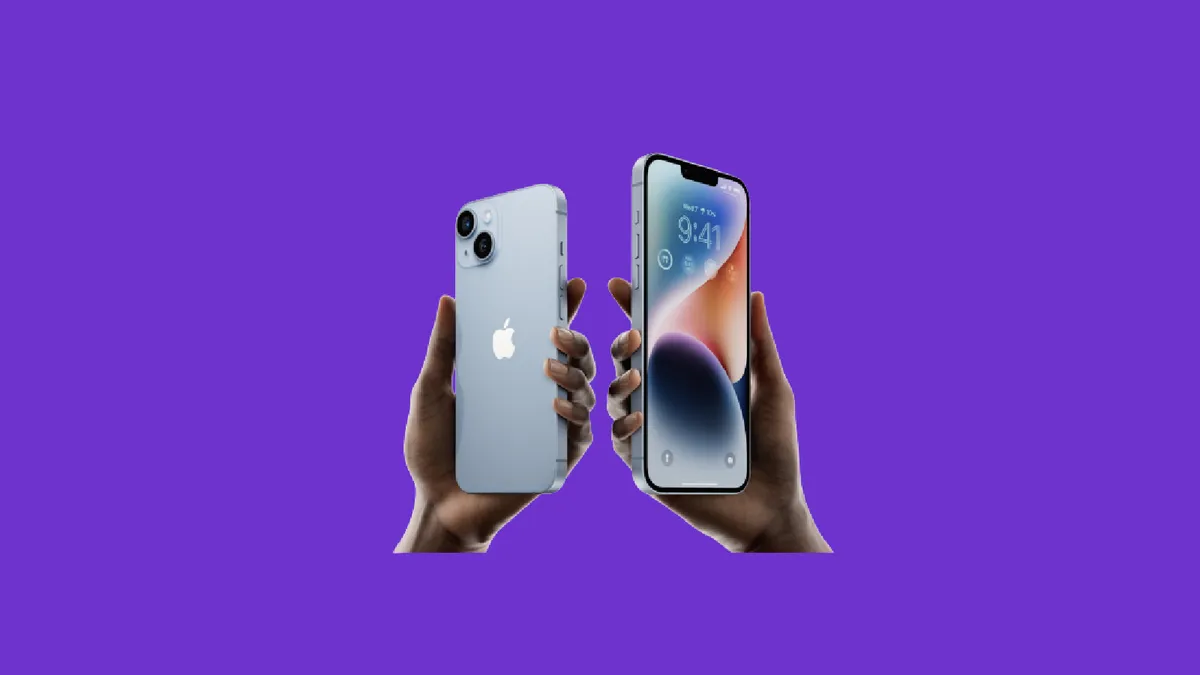
Apple devices have featured end-to-end encryption by default for years, using your passcode as the key. This encryption means that unauthorized access or theft of your devices can't lead to data or identity theft.
Combined with iCloud, Apple users have little to fear regarding data loss as long as device keys are safe, and iCloud passwords are secure.
Apple is now plugging more security gaps with Advanced Data Protection and two other security features, where even Apple doesn't have the key to your iCloud data, like how it doesn't have the key to data stored locally on your device.
When Are These Features Available?
Contact Key Verification, Security Keys for Apple ID, and Advanced Data Protection were outlined in an Apple press release in early December 2022.
We know that iMessage Contact Key Verification will be available globally in 2023, Security Keys for Apple ID will be available globally in early 2023, and Advanced Data Protection for iCloud is already available in the US and will start rolling out to the rest of the world in early 2023.
To understand Contact Key Verification and Advanced Data Protection, you may want to refresh your understanding of Transport Layer Security and know how end-to-end encryption differs from other types of encryption.
What Is Contact Key Verification?
iMessage and FaceTime have been end-to-end encrypted since launch, meaning only you and the person you are communicating with have the keys.
If Apple is hacked, the Transport Layer Security used is compromised by a malicious certificate, or the network you are using is vulnerable, the data will be useless to the eavesdropper as they don't have these keys.
Contact Key Verification is a security feature that alerts you when an unrecognized device may have been added to the other person's account and can access your iMessage conversation. When this prompt appears in your conversation, you can click the options button which explains what you can do to confirm your messages are only being read by the intended recipient.
For even higher security, when both people have iMessage Contact Key Verification enabled, they can compare Contact Verification Code in person, on FaceTime, or on another secure call.
What Are Security Keys For Apple ID?
Security keys are physical keys that have unique codes stored on them, which are used to generate a different set of codes that confirm your identity. As you don't need to input any codes yourself, phishing scams are rendered useless. Hardware two-step authentication is the most secure method of authentication.
You can read our article about why you should use two-factor authentication on most of your accounts for a primer, but chances are you already have it enabled on your Apple ID.
Apple is one of few technology companies of its size to enable two-factor authentication by default, and it claims that 95% of Apple IDs have it enabled. When you log in on a new device, you need to approve it on an existing device with a code, after being shown the location on a map to ensure it's really you.
As a backup, you can use the less secure SMS authentication in the event you don't have access to an existing device. If you do, you may want to learn the best ways to avoid phishing scams to keep yourself protected.
Security keys are a more secure alternative to the default two-factor authentication and SMS authentication. There are some cons, however. You need to keep keys nearby if you plan on logging in on the go, and you should have at least two in separate places to ensure you don't get locked out. We've covered the best security keys for online protection if you are interested in using hardware authentication.