Apple Intelligence Launch Faces Uphill Battle in China
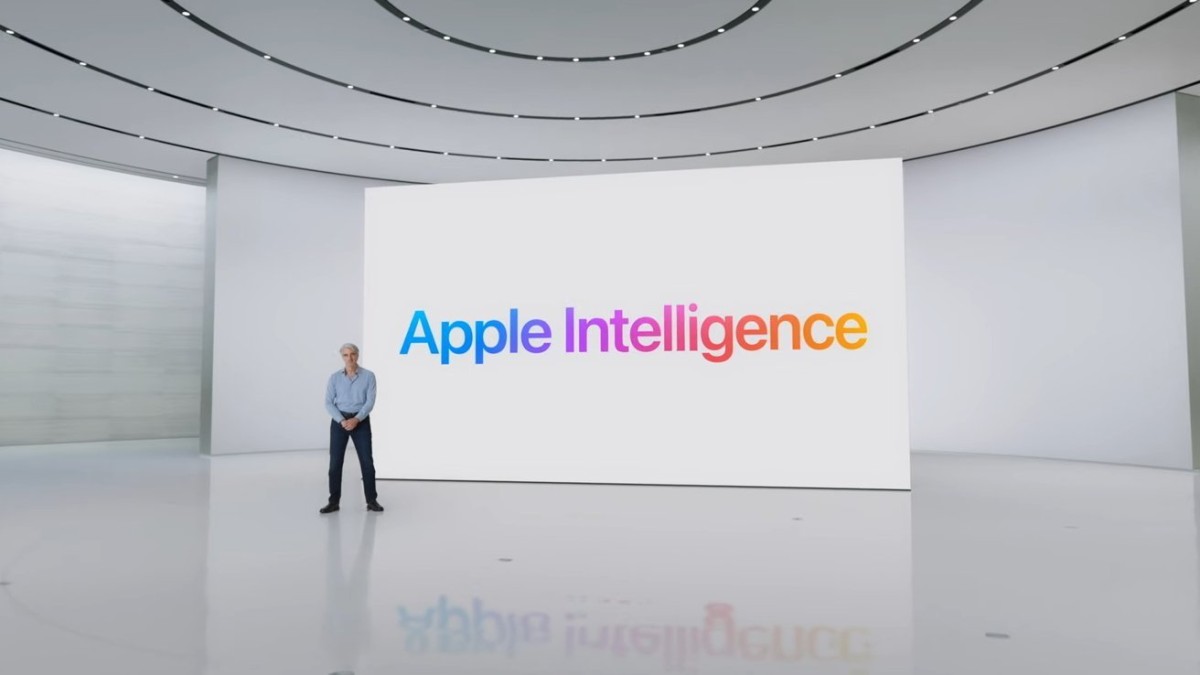
Apple's latest AI-driven features, announced at the annual Worldwide Developers' Conference in June, are set to revolutionize user experiences with capabilities like text summarization and AI-powered image generation. However, these innovations, powered by Apple's in-house generative AI software known as Apple Intelligence, will not be available in China any time soon.
Several factors contribute to this delay, primarily China's stringent regulations on artificial intelligence and data privacy, as well as fierce competition from domestic tech giants.
Regulatory Hurdles and Data Privacy Concerns
China's strict regulatory landscape poses a significant challenge for Apple's AI rollout. To launch its AI features in China, Apple must obtain approval for both its on-device and cloud-based models. This process involves navigating complex laws regulating large language models and generative AI software.
In addition to obtaining regulatory approval, Apple may need to partner with a local entity to manage cloud-based AI tasks. This is similar to the arrangement for iCloud data in China, where local servers host user data to comply with Chinese laws.
Moreover, Apple's AI technology must adhere to China's 2021 data privacy law, which adds another layer of compliance that Apple must navigate.
Censorship and Content Regulation
Censorship is another significant hurdle. For example, OpenAI's ChatGPT, which will soon integrate with Siri in iOS 18, is currently banned in China. Apple will need to implement robust content filters to prevent the generation of anti-government material, similar to existing safeguards against generating copyrighted, adult, and photo-realistic images.
Partnerships with Local AI Providers
To mitigate these challenges, Apple is reportedly exploring partnerships with local AI providers. In March, reports suggested that Apple was considering a collaboration with Baidu, a leading Chinese tech company with state-approved LLM technology. Such partnerships could help Apple navigate regulatory requirements and accelerate the approval process.
Competition from Domestic Brands
Apple also faces stiff competition from established Chinese brands like Huawei, which already have state-approved AI and LLM technologies. In the premium smartphone market, Apple's share in China has dropped from 20% to 15% in the first quarter of 2024, with Huawei leading the segment.
A Long-Term Strategy
Despite these challenges, Apple remains committed to bringing its AI capabilities to the Chinese market. CCS Insight Chief Ben Wood describes Apple's strategy as "a marathon and not a sprint," emphasizing the company's approach of thorough development and strategic rollout.
Apple's senior vice president of software engineering, Craig Federighi, echoed this sentiment in a recent interview. "We certainly want to find a way to bring all of our best product capabilities to all our customers," Federighi said, acknowledging that regional regulations require careful navigation.
Apple's methodical approach involves significant time, investment, and marketing to ensure that its products are competitive and user-friendly. This strategy has seen success in the past, and Apple hopes it will eventually help overcome the current obstacles in China.
While Apple Intelligence features may face a delayed launch in China due to regulatory and competitive challenges, the company's strategic and patient approach aims to ensure that when these features do arrive, they meet the high standards expected by Chinese consumers.