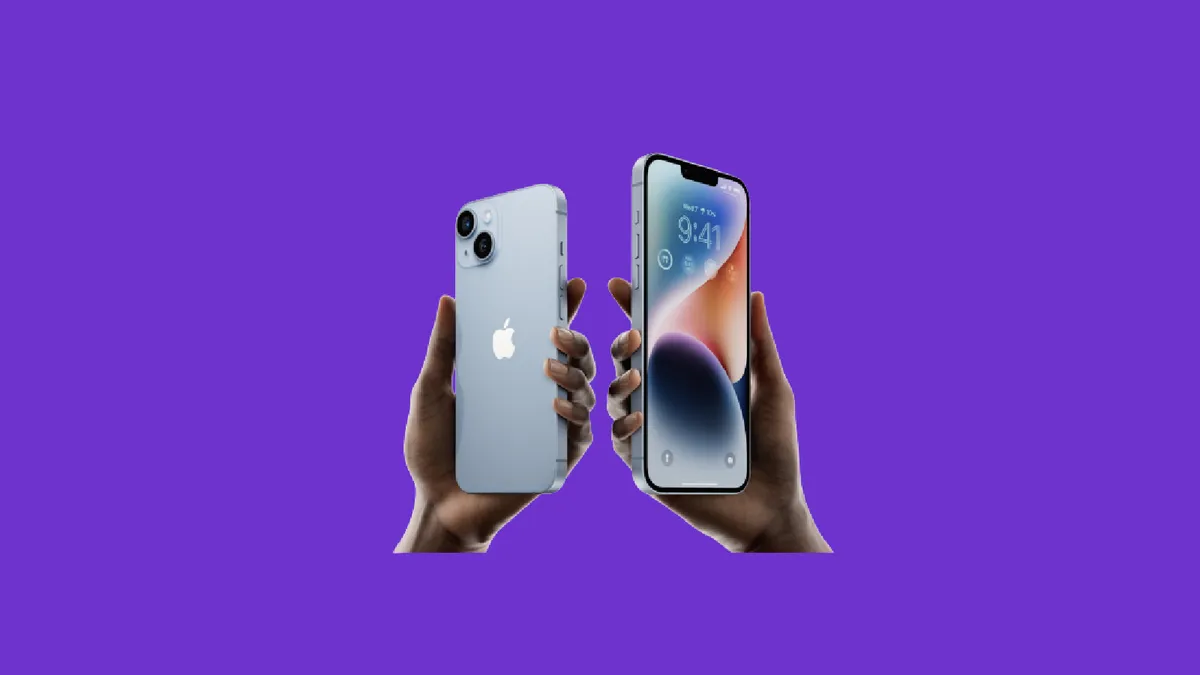
A Shift in RAM Design
Unlike the industry standard of integrating RAM within the same package as the processor, Apple plans to separate the RAM and processor into distinct chips. This change enables:
- Increased RAM Capacity: A larger DRAM package offers more memory for AI-driven tasks like generative image creation and real-time language processing.
- Improved Bandwidth: Enhanced connection speeds between the processor and RAM will enable faster data handling, crucial for on-device AI computations.
- Better Heat Management: Separating RAM from the processor helps distribute heat more effectively, preventing thermal throttling during intensive tasks.
Challenges and Solutions
Connector Limitations
The current packaging limits the number of connectors between the processor and RAM, capping memory speeds. Samsung is tasked with designing a larger DRAM package with optimized connections for higher throughput.
Physical Constraints
The compact size of an iPhone presents challenges:
- Battery Space: Additional RAM packaging might require Apple to reduce SoC or battery size, balancing performance and device longevity.
- Heat and Power Efficiency: High-bandwidth server memory (HBM) was ruled out due to size and power concerns.
Timeline and Outlook
Samsung’s research is in early stages, with Apple reportedly eyeing the iPhone 18 series in 2026 for this new architecture. While ambitious, the plan reflects Apple’s commitment to hardware innovations that support its expanding AI capabilities.
The Elec, a supply chain-focused source, underscores the technical feasibility of the development but notes uncertainties in Apple's implementation strategy.
Why It Matters
This shift in RAM design aligns with Apple’s broader push into generative AI and machine learning. With tasks like real-time image processing and personalized Siri interactions becoming more demanding, faster RAM will ensure iPhones remain at the forefront of mobile AI advancements.