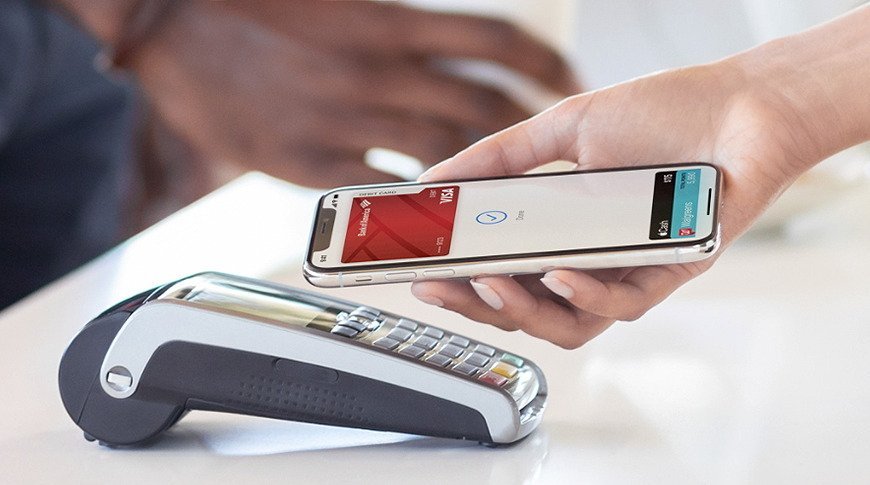
Apple Pay is celebrating its 10th anniversary, marking a significant milestone in the world of mobile payments. Since its launch on October 20, 2014, Apple Pay has transformed how consumers shop, making payments more convenient and secure. Initially available only in the United States, the platform has since expanded to 78 markets worldwide, with hundreds of millions of users relying on it for transactions.
In a recent Newsroom post, Jennifer Bailey, Vice President of Apple Pay and Apple Wallet, reflected on the journey, stating that Apple aimed to leverage its hardware and software to enhance the financial health of customers. The goal was to facilitate seamless transactions, whether in person or online, while ensuring user privacy and security. Bailey noted:
“Hundreds of millions of consumers in 78 markets” use Apple Pay, which is now accepted at millions of stores and supported by over 11,000 bank and network partners.
Consumer Satisfaction and Impact
Surveys commissioned by Apple reveal that users appreciate Apple Pay for its ease of use, with 90% of respondents citing this as a top reason for their preference. Privacy and security follow closely behind, with 88% and 87% respectively. Remarkably, 85% of U.S. consumers express high satisfaction with Apple Pay, and an impressive 98% would recommend it to others.
Bailey highlighted the platform's impact on daily life, sharing an anecdote about how Apple Pay revolutionized transit payments in Tokyo, allowing users to tap their iPhones effortlessly at busy turnstiles. She emphasized the importance of trust, stating that customers feel secure knowing their transactions are protected.
Challenges Along the Way
Despite its successes, Apple Pay has faced challenges, particularly from banks and financial institutions. These entities have raised concerns over high fees and limited access to NFC hardware, leading to regulatory scrutiny in several regions. For instance, the Australian government considered imposing regulations similar to those on credit card companies, even though Apple Pay is not a credit facility.
In response to these pressures, Apple eventually opened its NFC technology to competitors, navigating the regulatory landscape to maintain its market position.
Future Developments
Looking ahead, Bailey discussed several exciting developments for Apple Pay. The platform aims to incorporate typical store transaction elements into its offerings, including a cohesive rewards system for redeeming points from various retailers. Some Discover credit card users in the U.S. can already redeem rewards via Apple Pay, setting a precedent for more widespread adoption.
Additionally, Apple Pay plans to expand installment payment options through partnerships with lenders like Affirm and Monzo Flex. The recent integration of Klarna's flexible payment options in the U.S. and U.K. is just the beginning, with more options rolling out globally.
Bailey also expressed Apple's ambition to make its Wallet app the go-to solution for replacing physical wallets. From payments to event tickets, government IDs, and car keys, Apple envisions the iPhone as an essential tool for managing everyday life.
As she concluded:
"The last decade was an incredible journey, and we’re thrilled that so many people around the world are enjoying the experience that Apple Pay and Apple Wallet provide. I can't wait to see what the next 10 years have in store."