While some of these details have been reported before, Young provides a summary and new details about what to expect:
- Micro OLED screen technology
- 1.41-inch display (measured diagonally)
- 4000 pixels per inch (target)
- More than 5000 nits of brightness (target)
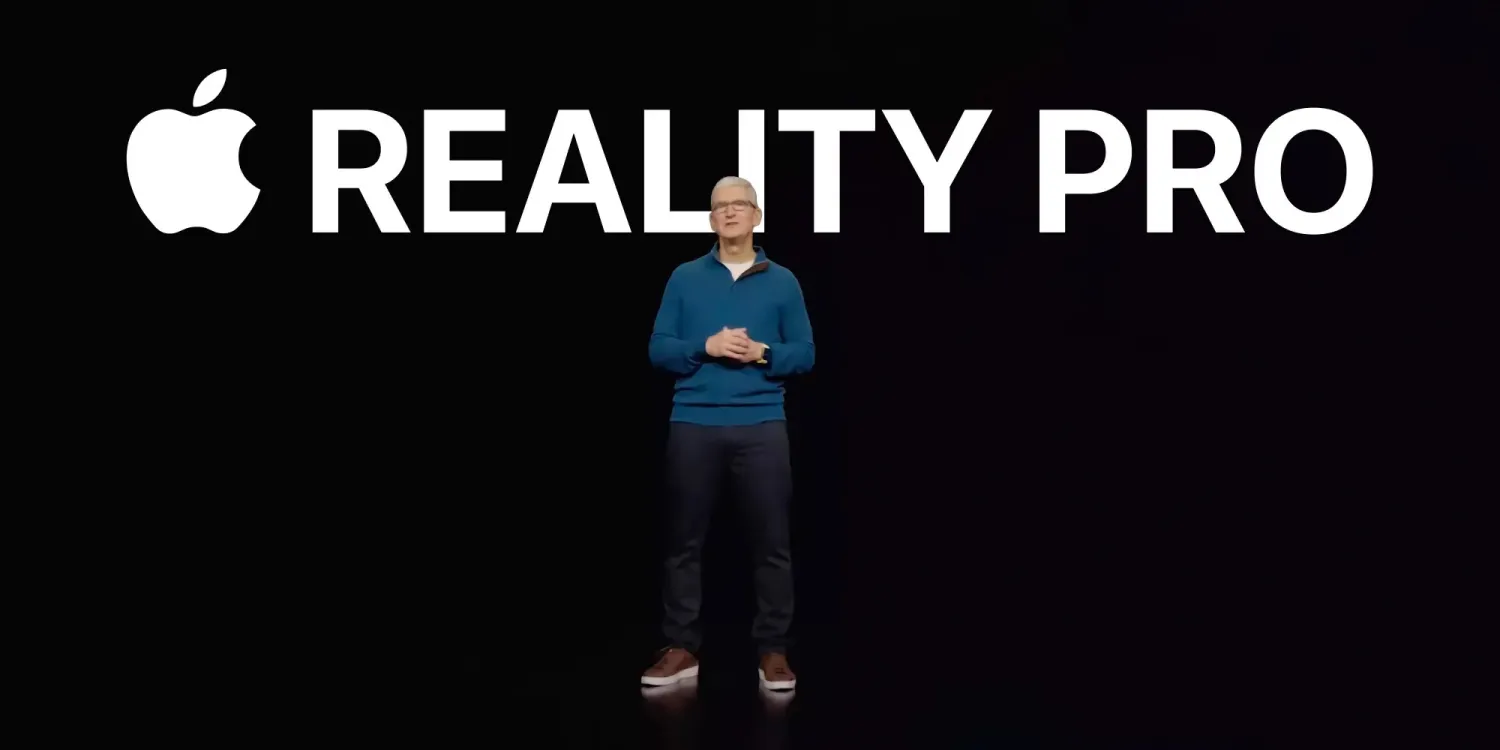
Of course, the Apple headset will include two of those panels to create the virtual reality effect. The headset is also expected to be state-of-the-art in terms of what a consumer headset can offer. For that reason, Apple’s headset is widely expected to cost around $3000. That compares to the $349 to $999 price tag Meta puts on its Quest 2 and Quest Pro headsets.
Apple’s advantage will also be access to its services like TV+ and Fitness as well as the existing App Store library. According to Mark Gurman at Bloomberg, the headset will likely run any iPad app out-of-the-box. More optimization will of course be the goal, but including the iPad App Store library at launch is a pretty big head start.
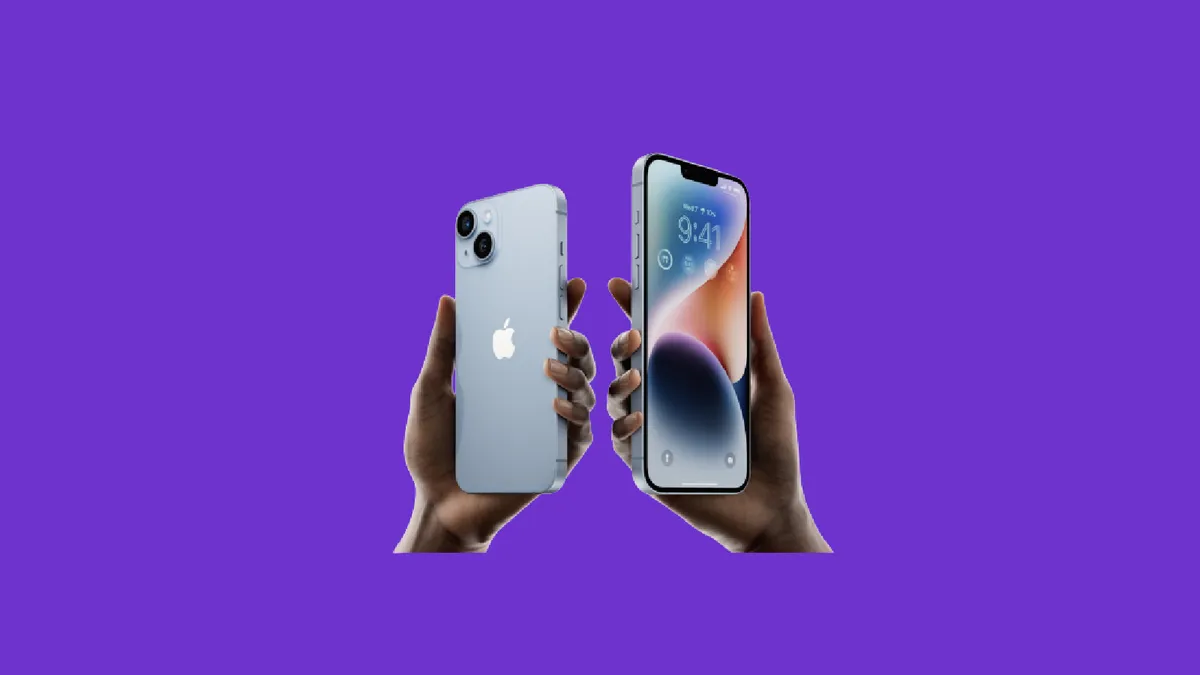
In other display news, Ross Young has similarly published his predictions for the next few iPhone display specs. As for the headset, we expect to see it on Monday at the WWDC23 keynote. The show kicks off at 10 a.m. PT/1 p.m.