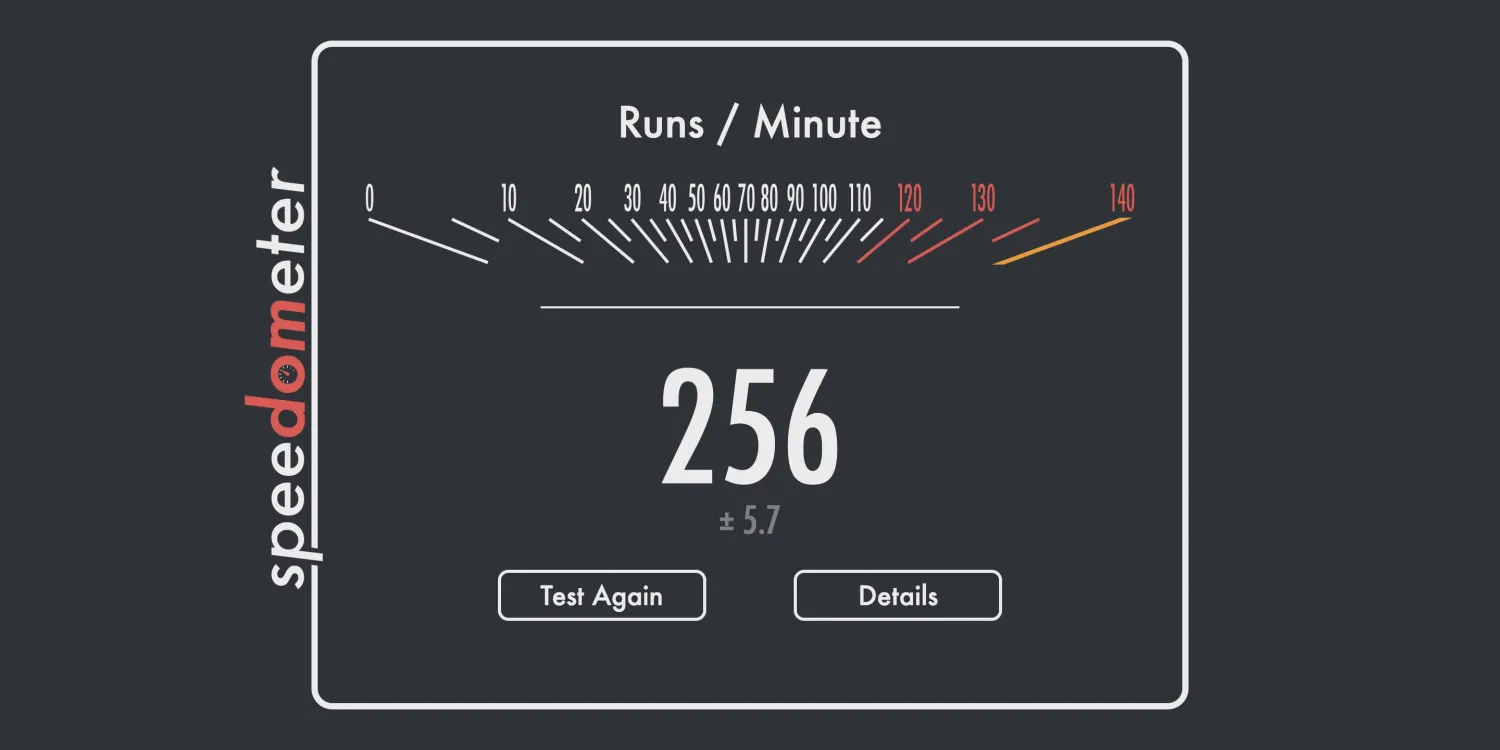
Speedometer 2.1 is the latest stable release, with 1.0 released in 2014 and a major update (2.0) in 2018. It tries to “capture real-world Web as much as possible” by simulating a user “adding, completing, and removing to-do items using multiple examples.”
For Speedometer 3, the three big browser engines/players are collaborating with a “joint governance model to share work.” The goal is to “build a collaborative understanding of performance on the web to help drive browser performance in ways that help users.”
Google wants the benchmark to “include representative modern workloads, like JavaScript frameworks.” Earlier this year, the Chrome team described Speedometer as being “most reflective of the real world” for comparing the JavaScript performance of desktop browsers.
Mozilla this morning said “it’s time to update it to test real user journeys from online life today,” with the web changing a great deal since the last major release:
Many require collaboration across site authors, framework builders, browser vendors and standards groups, which requires a shared understanding of what matters.
Speedometer 3 is currently in active development and more will be shared over the coming months. Until then, you can follow development on Github.