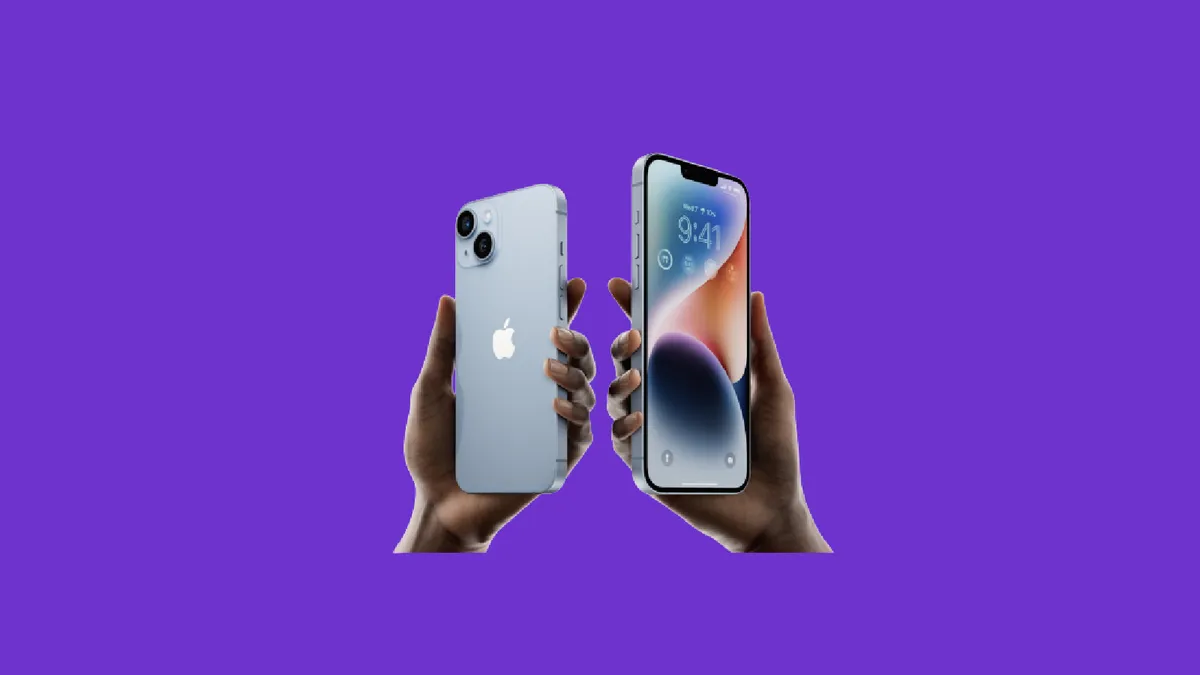
Apple's recent announcement about the Emergency SOS via satellite feature for iPhone 14 and iPhone 15 users marks a significant step in enhancing safety measures for its customers. The company has decided to extend the free access period for this service for all current iPhone 14 users by an additional two years. This extension is a strategic move by Apple, allowing the company to delay decisions regarding future pricing for the service.
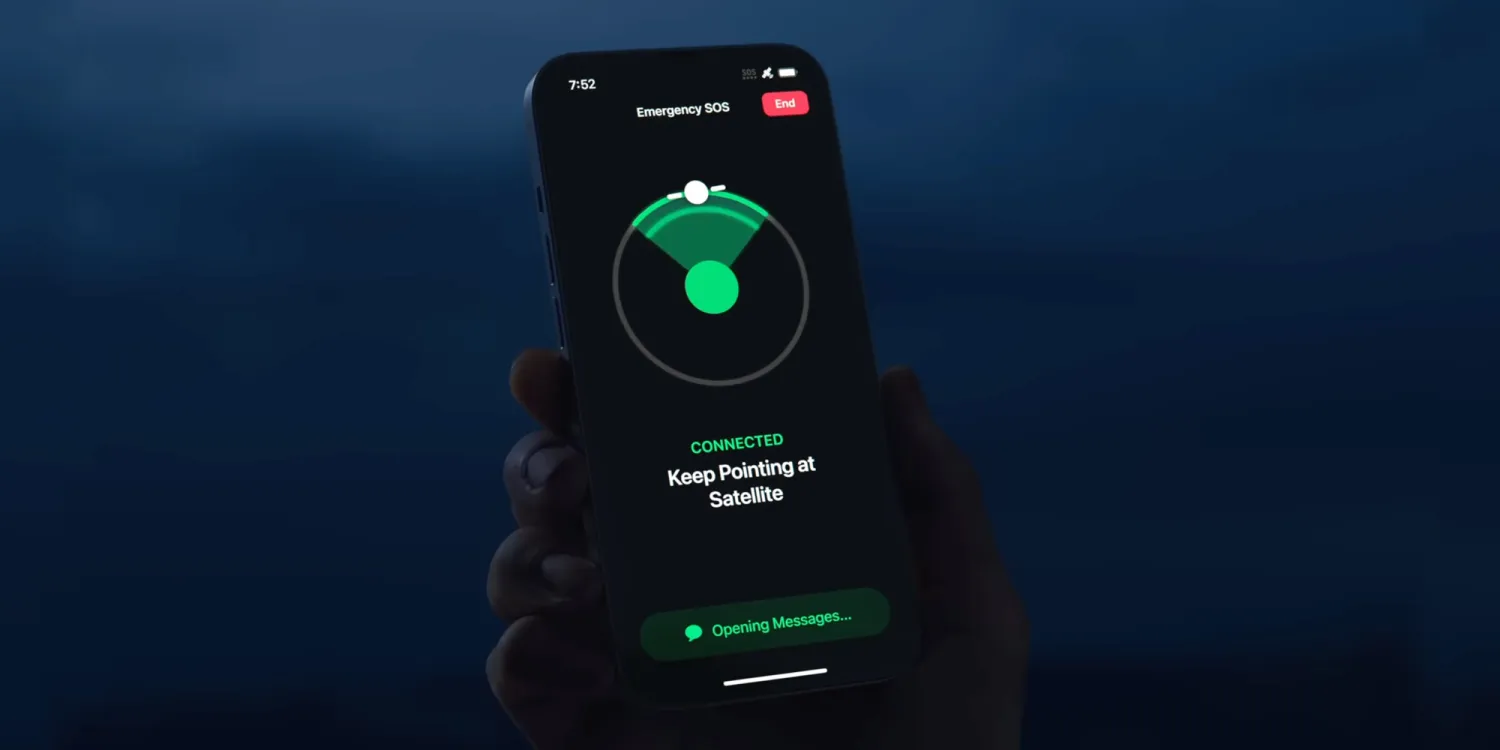
The Emergency SOS via satellite feature is a groundbreaking technology that offers a vital lifeline in critical situations. It enables iPhone users to communicate with emergency services through short text messages when they find themselves outside the coverage of Wi-Fi or cellular networks. This capability is especially crucial for individuals who often travel or engage in activities in remote areas, where traditional communication methods might be unavailable.
For iPhone 14 users, this extension of the free service period is particularly beneficial. Originally, these users were given a complimentary period to access this feature, but with the recent announcement, they can continue to use it at no extra cost until around September 2025. This extension provides added peace of mind for iPhone 14 owners, knowing that they can rely on this critical safety feature for an extended period without worrying about additional costs.
However, it's important to note that the free period for iPhone 15 customers has not been extended in the same way. iPhone 15 users will still operate under the initial two-year free model, which will start to elapse in September 2024. Despite this, the end of the free period for both iPhone 14 and iPhone 15 users will align around September 2025, providing a uniform timeline for Apple to introduce its pricing strategy for the Emergency SOS via satellite service.
Besides the basic emergency messaging function, the feature also enhances the utility of the Find My app. Users can update their location using the satellite signal, making it easier for emergency services or loved ones to locate them in case of an emergency. Furthermore, with the introduction of the iPhone 15, Apple expanded the Emergency SOS feature to include contacting roadside assistance in the event of a car breakdown, adding another layer of safety for drivers.
As we look towards the future, the extension of the free service period for iPhone 14 users and the eventual alignment of the service's expiration with iPhone 15 users indicate a strategic approach by Apple. This approach not only benefits users by providing extended access to vital safety features but also gives Apple ample time to assess the usage, effectiveness, and potential pricing models for the Emergency SOS via satellite service. It will be interesting to see how Apple ultimately decides to price this innovative feature, which has the potential to be a game-changer in personal safety and emergency response.