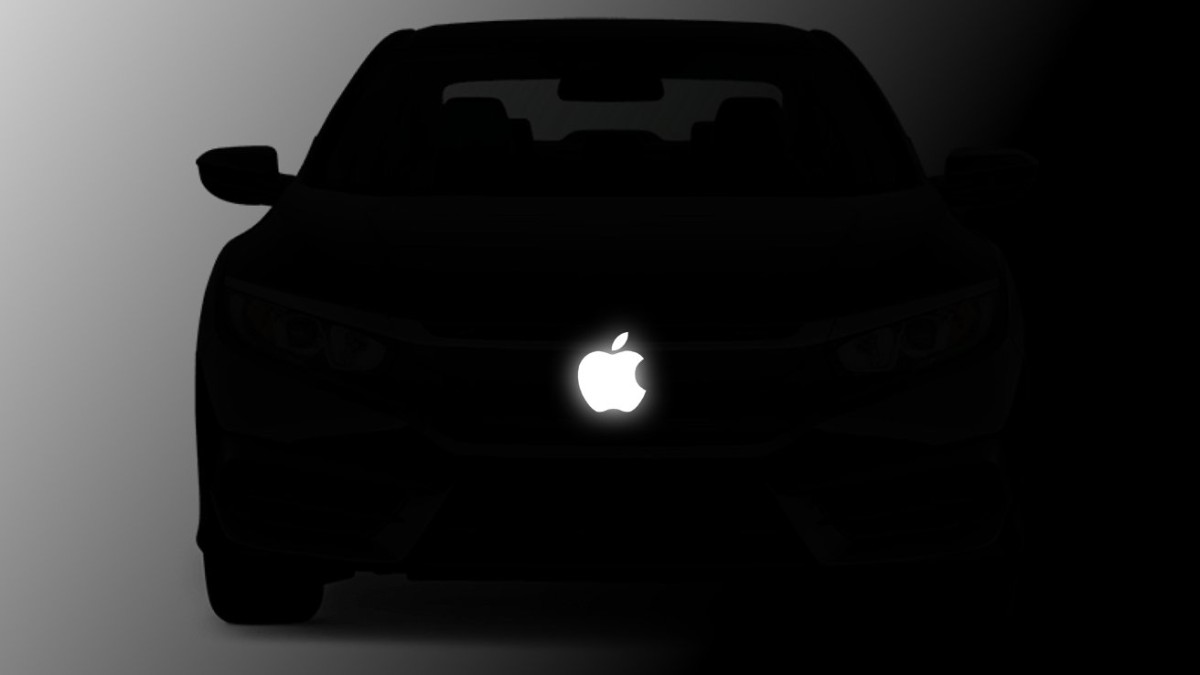
The ambitious Apple Car project, known internally as Project Titan, has been abandoned after a decade of development, leaving a mixed legacy within the company. Despite initial excitement and significant investment estimated at $10 billion, many Apple employees reportedly viewed the project as a doomed endeavor, likening it to "the Titanic disaster." The project's cancellation is seen by some as a relief, allowing the company to pivot towards artificial intelligence (AI) technologies.
Project Titan was conceived as Apple's entry into the electric vehicle (EV) and self-driving car market, aiming to rival Tesla and other tech giants venturing into the automotive industry. However, despite extensive research and development, including exploring self-driving capabilities and even considering an acquisition of Tesla, Apple struggled to achieve its ambitious goals. The challenge of creating a fully autonomous vehicle proved insurmountable, not least because of the unpredictable nature of human drivers on the road.
The decision to cancel the Apple Car project was not solely based on technical hurdles; financial considerations also played a significant role. The prospect of entering the EV market with the high margins Apple typically seeks seemed increasingly unlikely, especially as the EV market becomes more competitive and prices trend downward.
While some employees associated with Project Titan may face layoffs, others are expected to be reassigned to different areas within the company, particularly AI projects. The knowledge and technological advancements gained from the Apple Car endeavor are anticipated to contribute to Apple's broader efforts in artificial intelligence, ensuring that the investment in Project Titan continues to yield benefits even after the project's cancellation. The groundwork laid by the project could potentially be revisited should Apple decide to pursue automotive ambitions in the future.