News of Apple’s partnership with Goldman Sachs first emerged in February 2019 from the Wall Street Journal. That’s the same news outlet that is now reporting on Goldman’s effort to back out of the deal and pass it off to American Express.
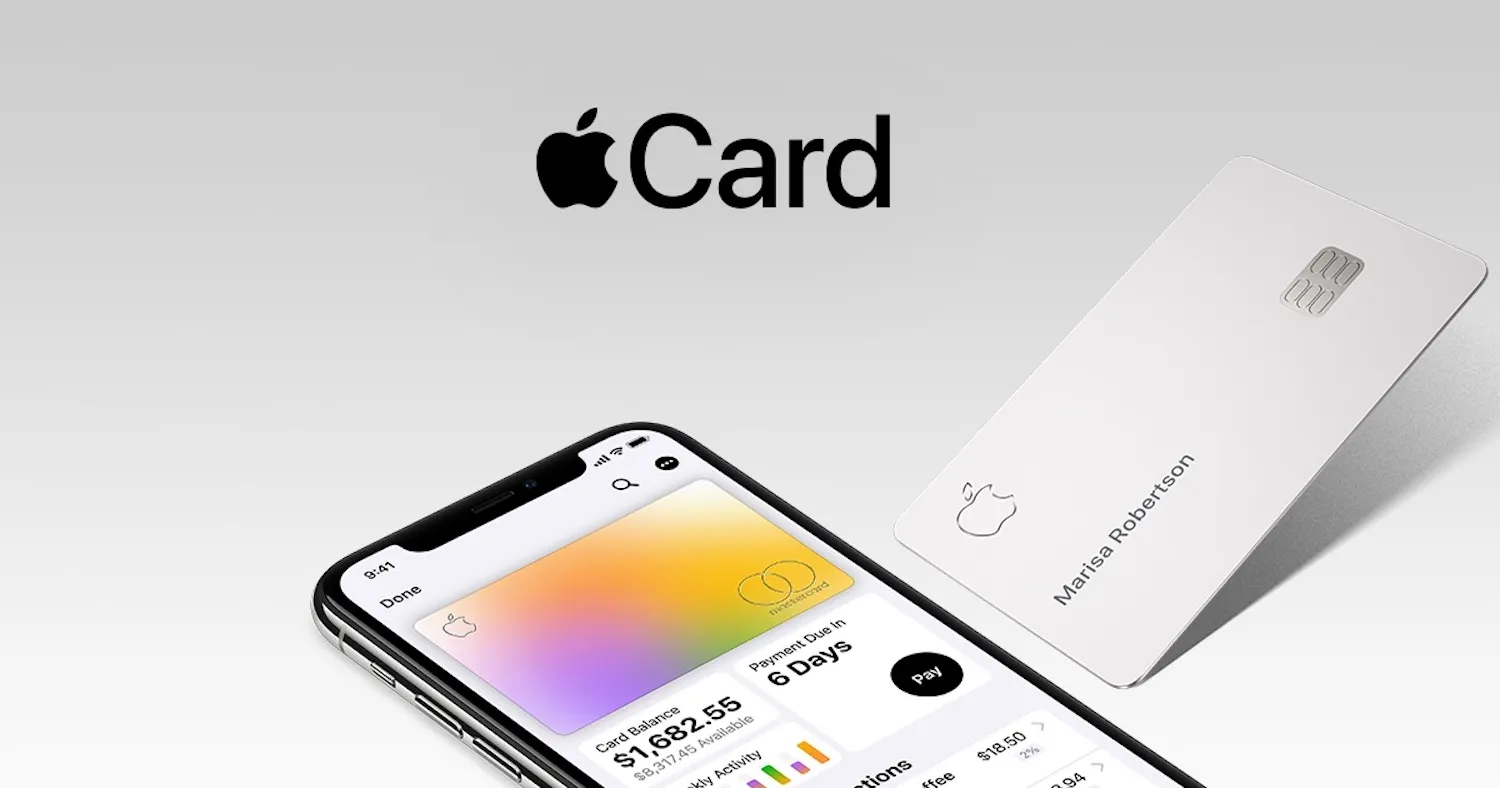
Apple announced Apple Card during its services-focused special event one month later at Steve Jobs Theater. The company also unveiled Apple TV+, Apple Arcade, Apple News+, and more during this event.
Apple Card launched to the general public in August 2019, allowing users to apply for the card and check their credit lines and approval status without a hard credit check.
A report a few months later revealed some early details on Goldman’s investment in Apple Card. By all indications, it was a successful launch, with Tim Cook touting during an October 2019 earnings call that it was the “most successful launch of a credit card in the United States ever.”
During that same earnings call, Tim Cook announced that Apple Card users would be able to finance iPhone purchases over 24 months with 0% interest. As the backing bank behind Apple Card, Goldman Sachs was on the hook for funding these loans. The new financing option launched to the public in December.
Allegations of Apple Card gender bias
In November 2019, however, there was a flareup of controversy surrounding Apple Card after allegations of gender bias emerged. Essentially, Apple Card users had noticed that gender discrimination was affecting the algorithms used to determine credit limits for Apple Card.
During this controversy, which led to multiple regulatory investigations, Apple stayed completely silent. Goldman Sachs issued multiple statements on the matter, explaining that the bank was “committed to ensuring our credit decision process is fair.”
The bank shouldered all of the burdens of the controversy, which isn’t surprising given that Goldman Sachs is the one who makes approval decisions for Apple Card. Still, I’m sure Goldman Sachs would have appreciated a little more public-facing support from Apple.
Apple Card financing and COVID-19
Moving ahead to 2020, Apple and Goldman Sachs expanded the 0% financing offer to the rest of Apple’s product lineup in June, including Mac, iPad, AirPods Pro, AirPods, Apple Pencil, and more.
Throughout 2020 amid the COVID-19 pandemic, Goldman Sachs allowed Apple Card users to defer their payments without interest. This was billed as the “Customer Assistance Program” and repeatedly extended through late 2020.
Other changes to Apple Card in 2020 included:
- Apple launches web portal for Apple Card, pay your bill and view statements online
- Apple launches new web-based application for aspiring Apple Card users
- Your credit score now affected by Apple Card with all agencies
- Apple Online Store adds new one-click payment option for Apple Card users
Apple Card Family
In 2021, Apple Card got a major boost with the launch of Apple Card Family. This addressed one of the long-time limitations of the platform and finally enabled users to share the same Apple Card with other family members via iCloud Family Sharing.
Also in 2021, Apple touted the ongoing success of Apple Card, citing a JD Power Study that found the card to rank “among the Midsize Credit Card segment and received a chart-topping score of 864.”
Other Apple Card and Goldman Sachs stories from 2021:
- Apple extends deadline for Apple Card users to convert purchases into 0% monthly installments
- Apple promoting its services with ‘exclusive offers’ for Apple Card users
- Apple Card giving Daily Cash credits to iPhone 13 buyers affected by pre-order glitches
- Goldman Sachs says Apple Card users can combine accounts even if there are active installment plans [U]
- Some Apple Card Family users say they aren’t receiving Daily Cash rewards, more
Signs of struggle for Goldman Sachs emerge
While Apple Card continued to grow in popularity, with over 6 estimated cardholders, some early signs of struggle began to emerge.
In May 2022, Scott Young, a Goldman Sachs executive credited for his work securing the Apple Card deal, left the bank. Young was Goldman’s head of partnerships in 2018, which is when Goldman and Apple reached an agreement to work together on Apple Card.
Next, Goldman Sachs announced that it was facing a probe from the Consumer Financial Protection Bureau over its consumer credit card business. The Apple Card’s “rapid growth” and Goldman’s struggle managing and scaling that growth were to blame for the investigation.
One of the primary focuses of that investigation was Goldman’s handling of Apple Card disputes. A dispute, or chargeback, is when a customer files a chargeback on a transaction, either because it was unauthorized or because the goods or services were not as the merchant described.
Goldman received “more disputes than it counted on” from Apple Card customers, and it struggled to manage that growth – especially given all of the regulatory requirements that surround credit card disputes. The problem was so bad that Apple and Goldman Sachs even gave customers a second chance at disputing transactions after complaints.
In October 2019, Despite the signs of struggle emerging, Goldman Sachs CEO David Solomon said that the company had reached a deal with Apple to extend the partnership through 2029.
Then, in January 2022, Goldman Sachs revealed that it had lost over $1 billion on its Apple Card partnership since 2020. While not a direct “loss” yet, regulations require Goldman to set aside a certain about to cover itself against potential nonpayments. The next month, Goldman claimed it was still “committed” to the partnership with Apple despite those losses. “It’s a very, very strong partnership where there’s a lot of opportunity,” Solomon said.
Solomon did acknowledge, however, that Goldman “probably took on more than we should have, too much, too quickly” in regards to its push into consumer banking.
In April, Goldman Sachs expanded its relationship with Apple with the launch of the Apple Card Savings Account. Goldman Sachs is also the issuer of the Mastercard payment credential used to complete Apple Pay Later purchases.