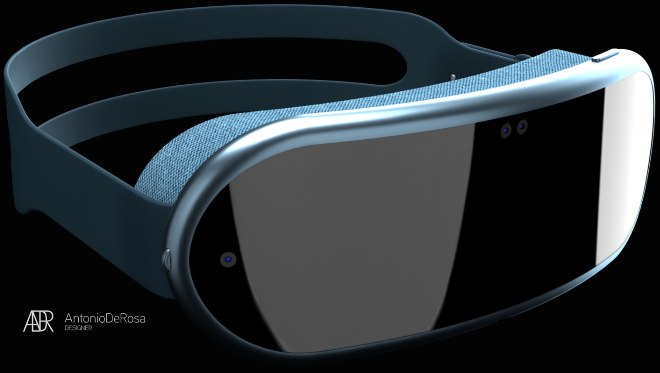
Despite Apple’s track record, an air of doubt surrounds the device, expected to be sold under the Reality name. It will run on a new xrOS operating system and cost about $3,000. Billions of dollars of investment into computers you wear on your face from the tech industry’s largest companies and well-funded startups have yet to produce a breakout success.
The device [Apple CEO Tim] Cook will present, say people familiar with a development process that spread over seven years, has deviated far from his initial vision. Initially imagined as a pair of unobtrusive eyeglasses that could be worn all day, Apple’s device has morphed into a headset that resembles a pair of ski goggles and requires a separate battery pack… After initially setting its sights on a lightweight pair of augmented-reality glasses, Apple gradually drifted toward something that felt more like existing devices because of technological constraints, the desire to get a product on the market and internal disagreements.
Despite his strong views, Cook wasn’t deeply engaged in the specific design of the headset, say people who have worked with him. This was notably different from Jobs, who was famous for imposing his strong design sensibilities onto Apple products, down to the feel of a touchscreen or the shade of blue used in a Mac app icon. Cook, in contrast, made his name overseeing operations and has never been known as a “product guy.” His more distant approach was consistent with his role in the development of the Apple Watch and AirPods. “The closest Cook gets to product development is a demo,” says one of the people. “But even then, he’s not the type of guy who says it should do X and not Y. He’s the complete opposite of Steve in terms of having strong opinions on the minutiae.”
“It was very clear what the iPhone and iPad would do, but the watch meandered all over the place,” a person with knowledge of the product says. “The headset will be similar, but there is hope that third-party apps will save it.”